In stock › Categories › Snare Strainers & Throw-Offs
Vintage Snare Strainers & Throw-Offs
Browse all 18 in the shop — opens pre-filtered.
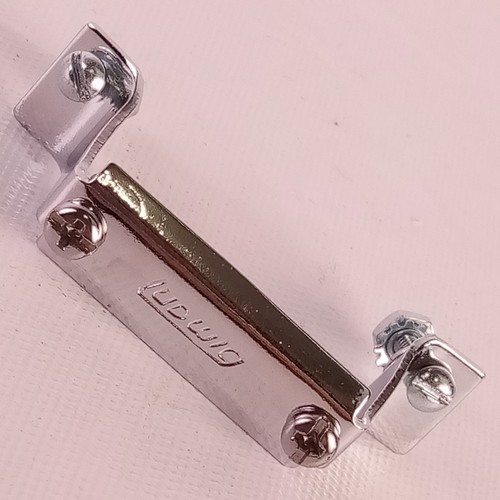
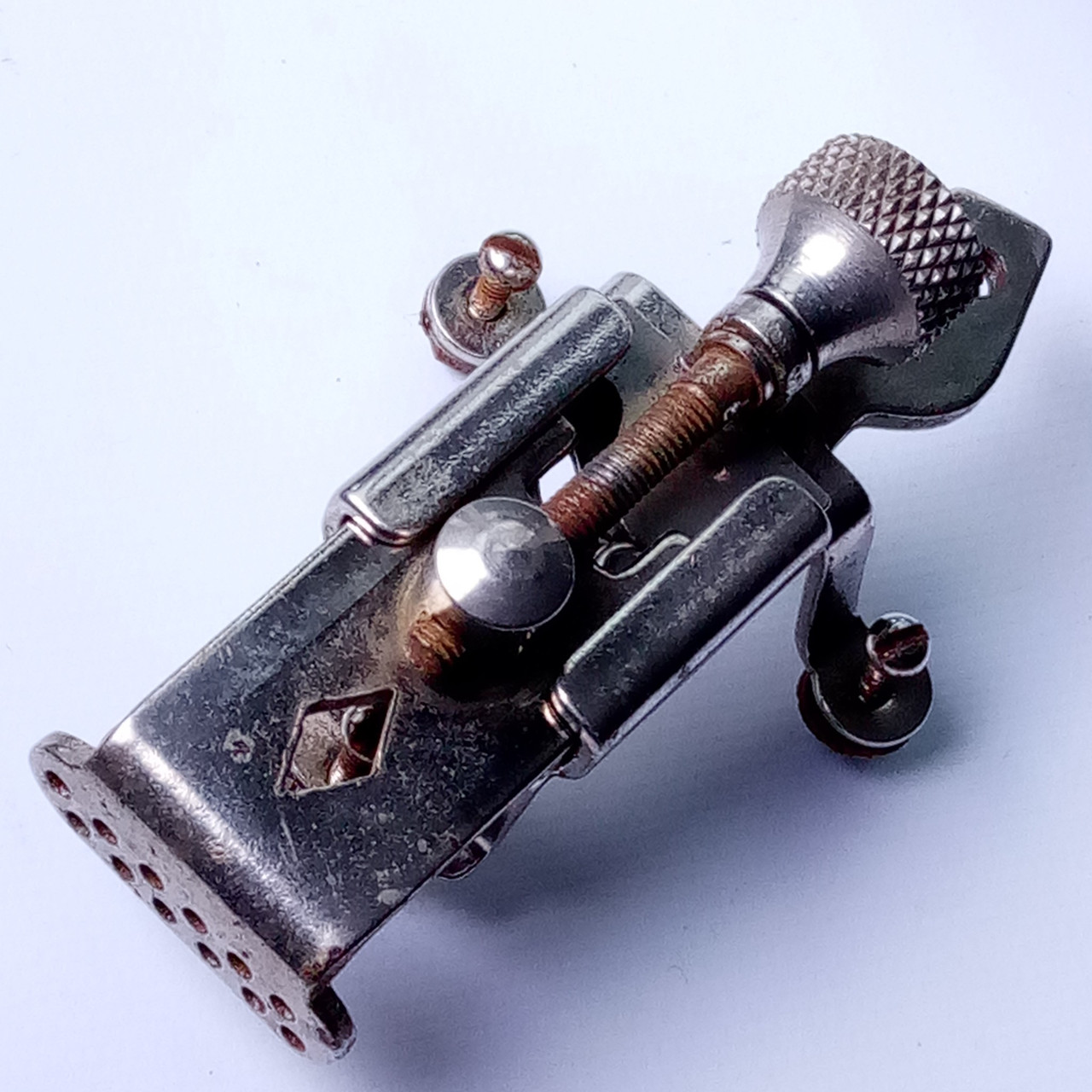
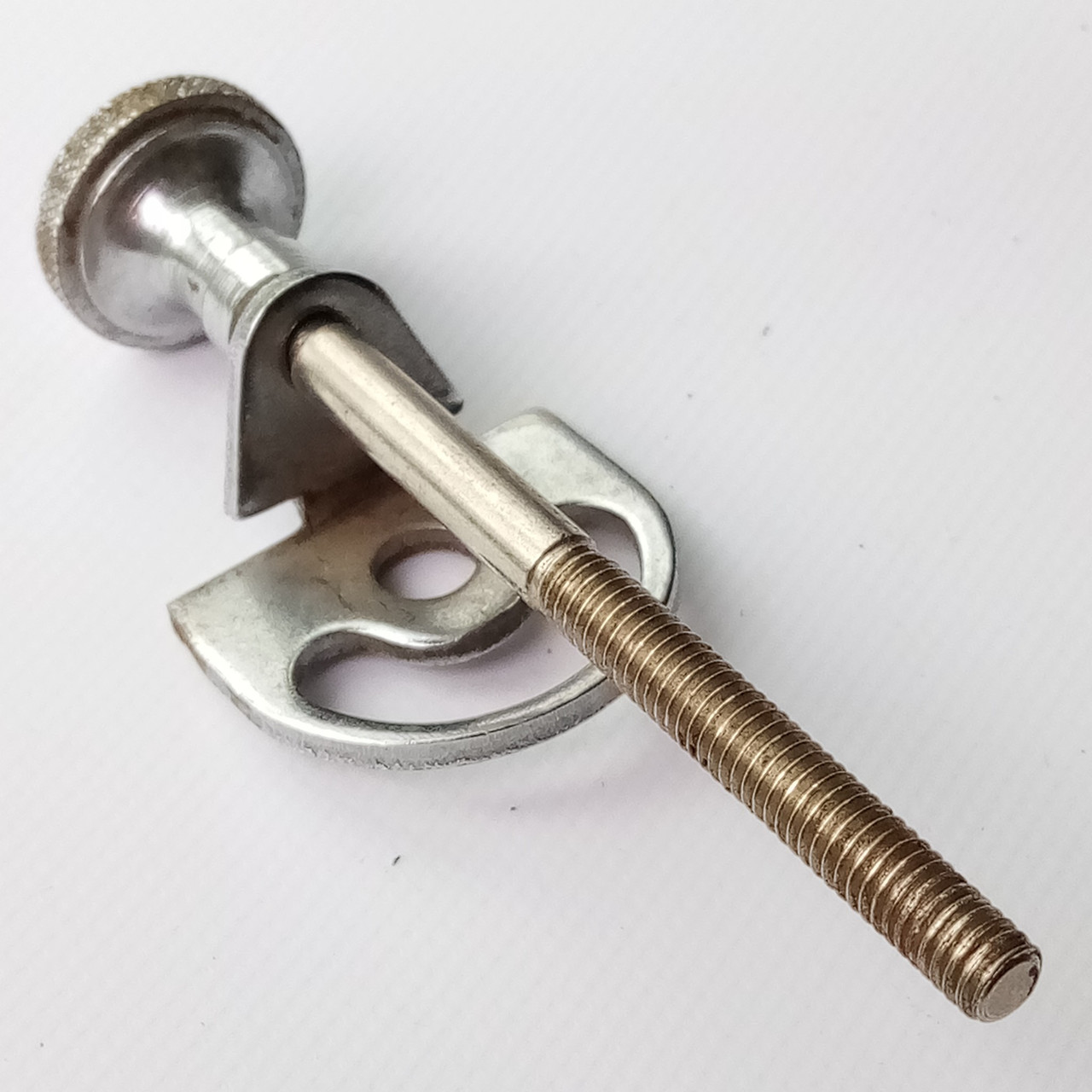
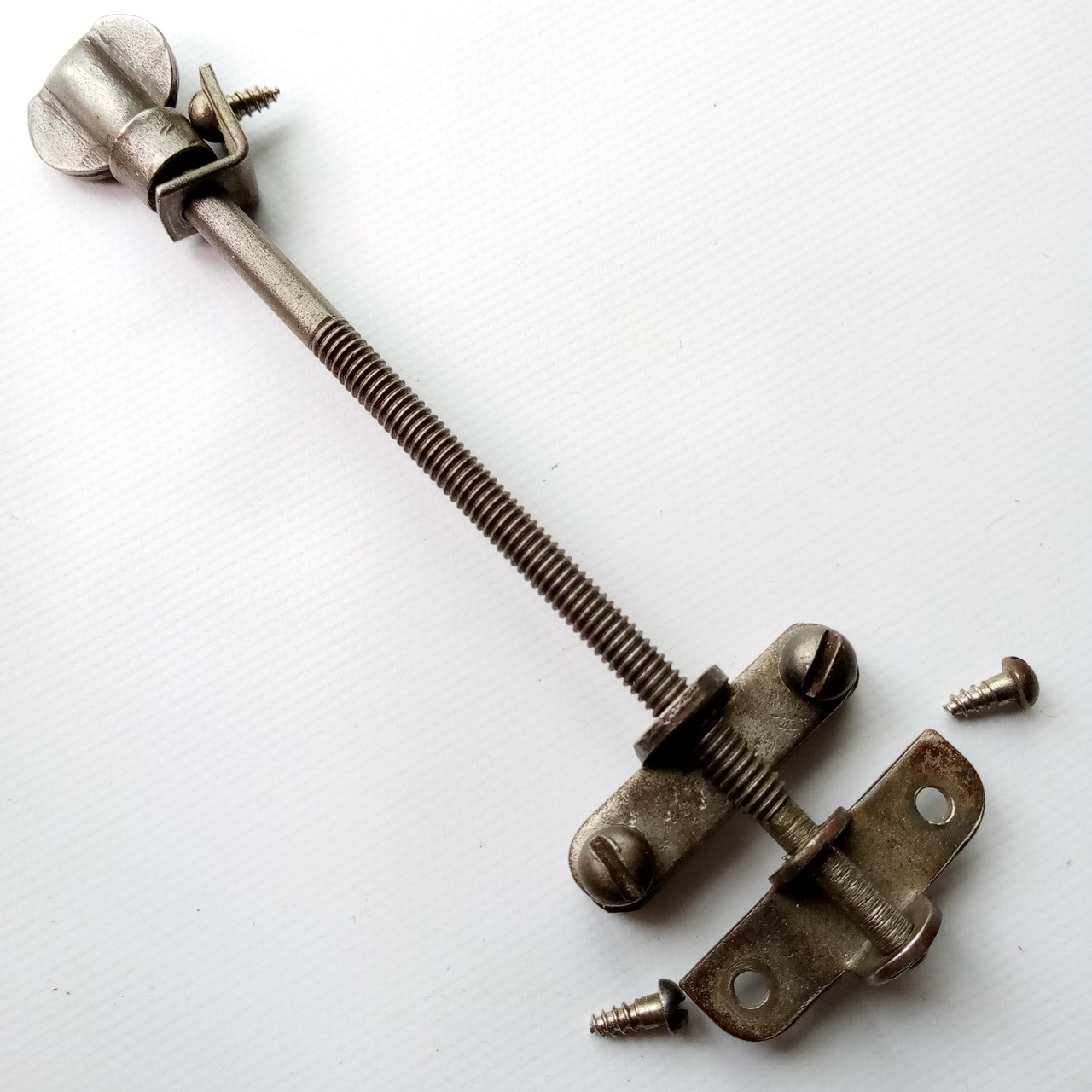
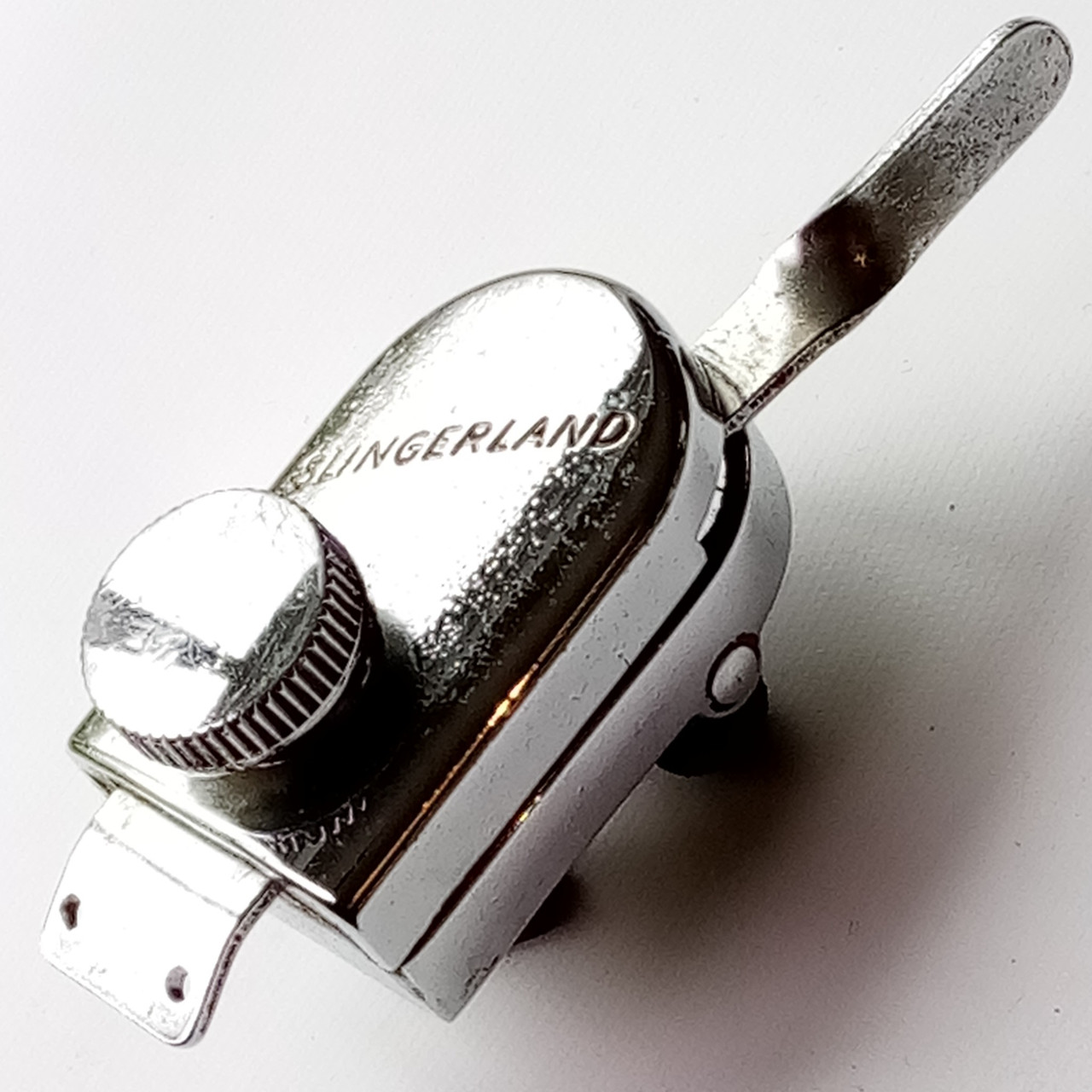
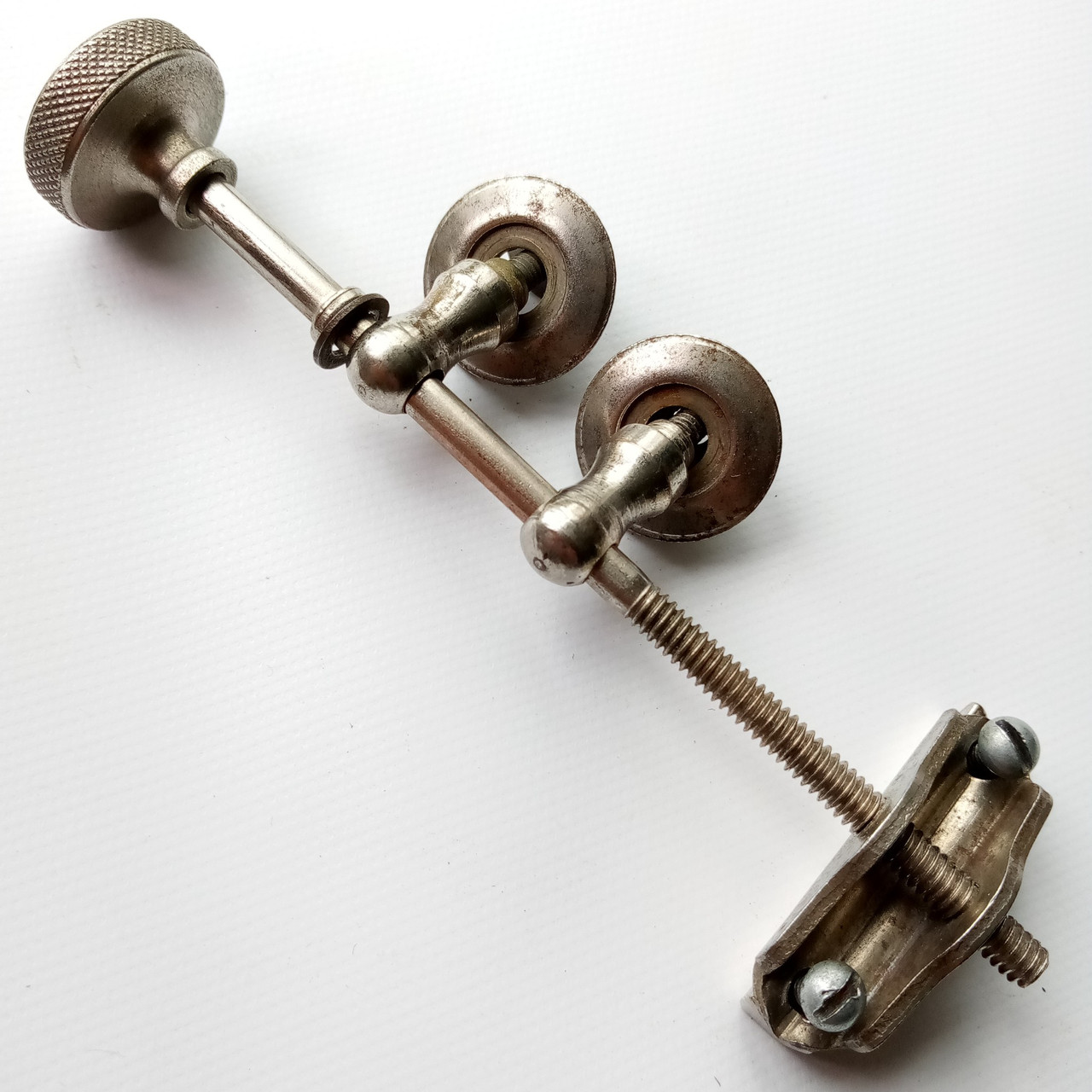
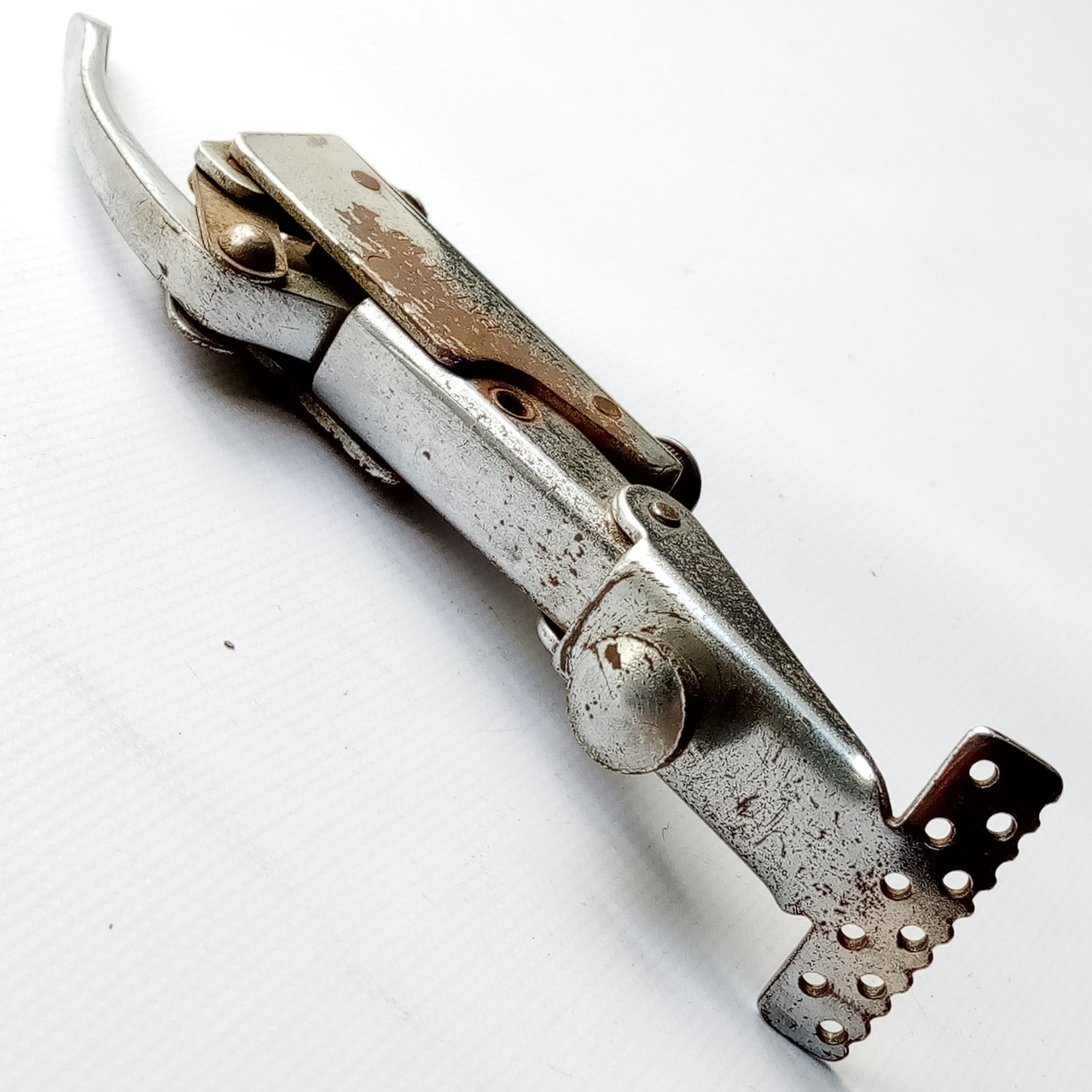
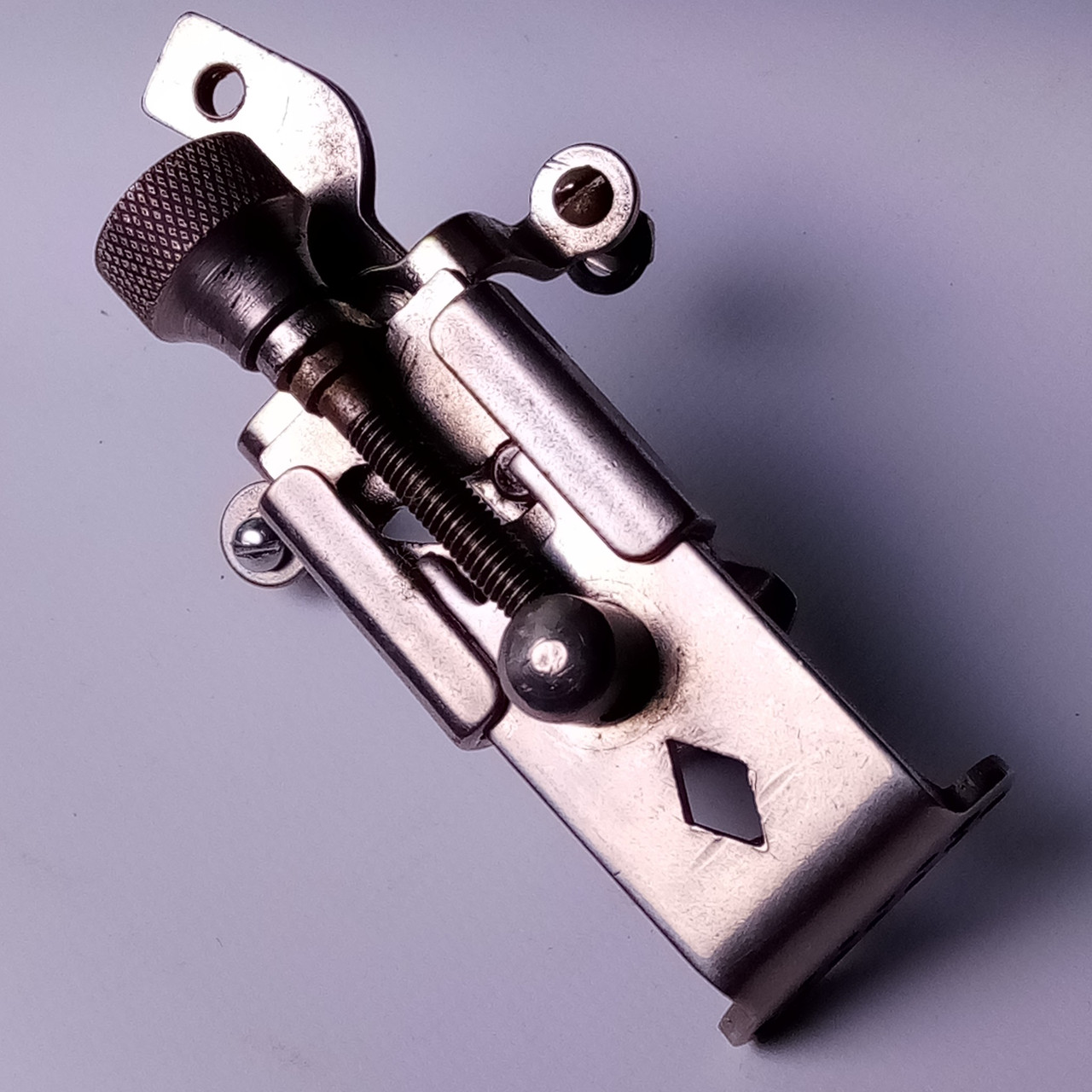
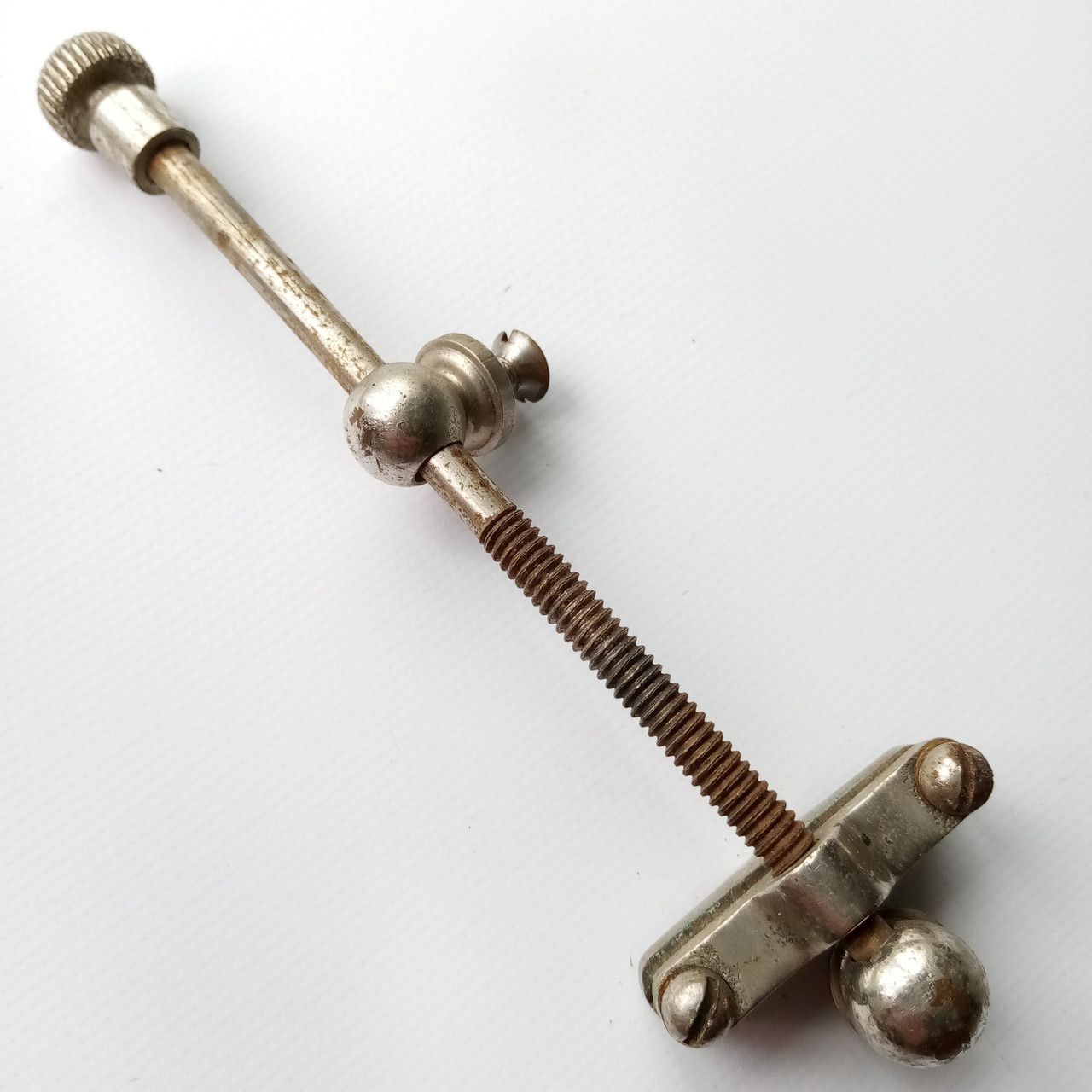
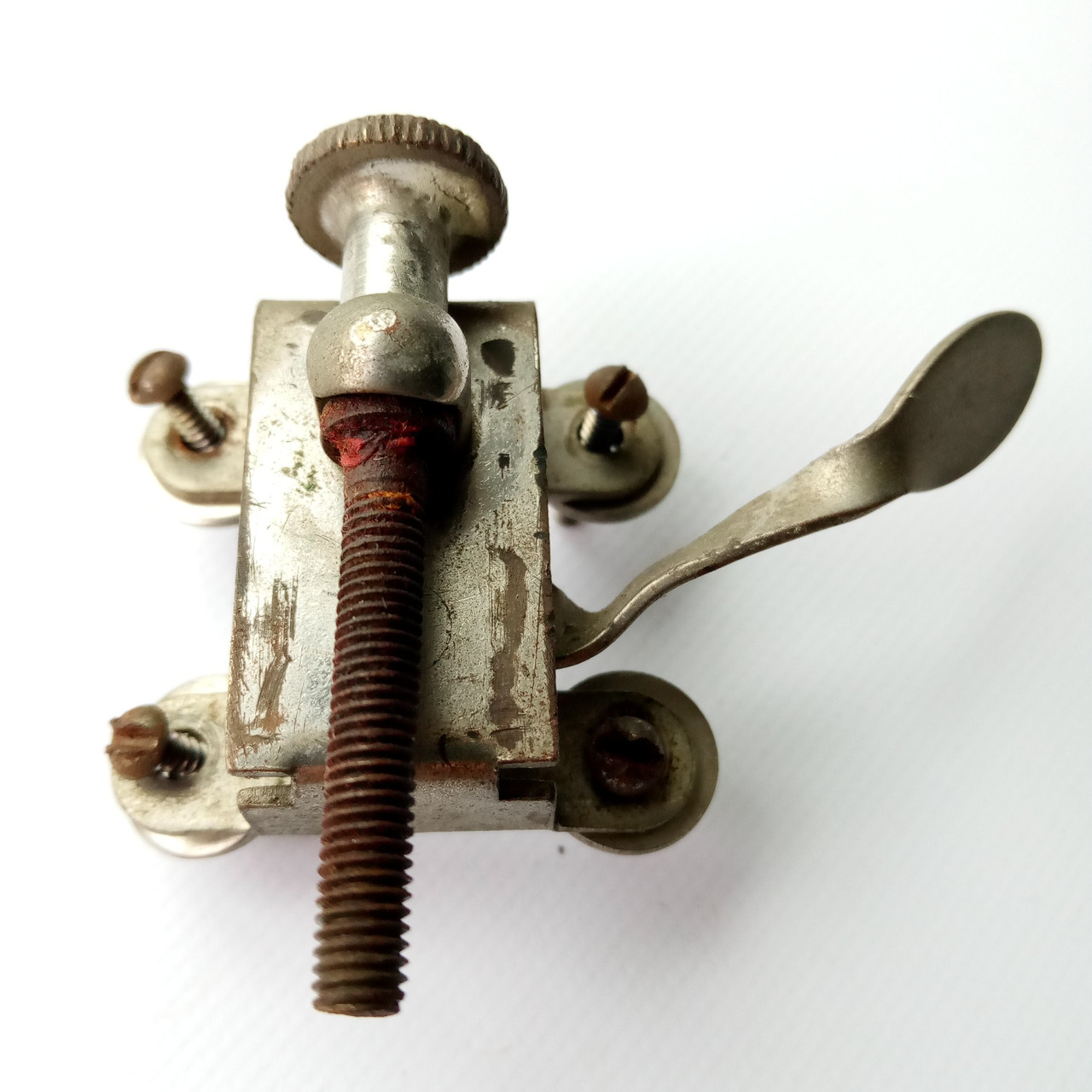
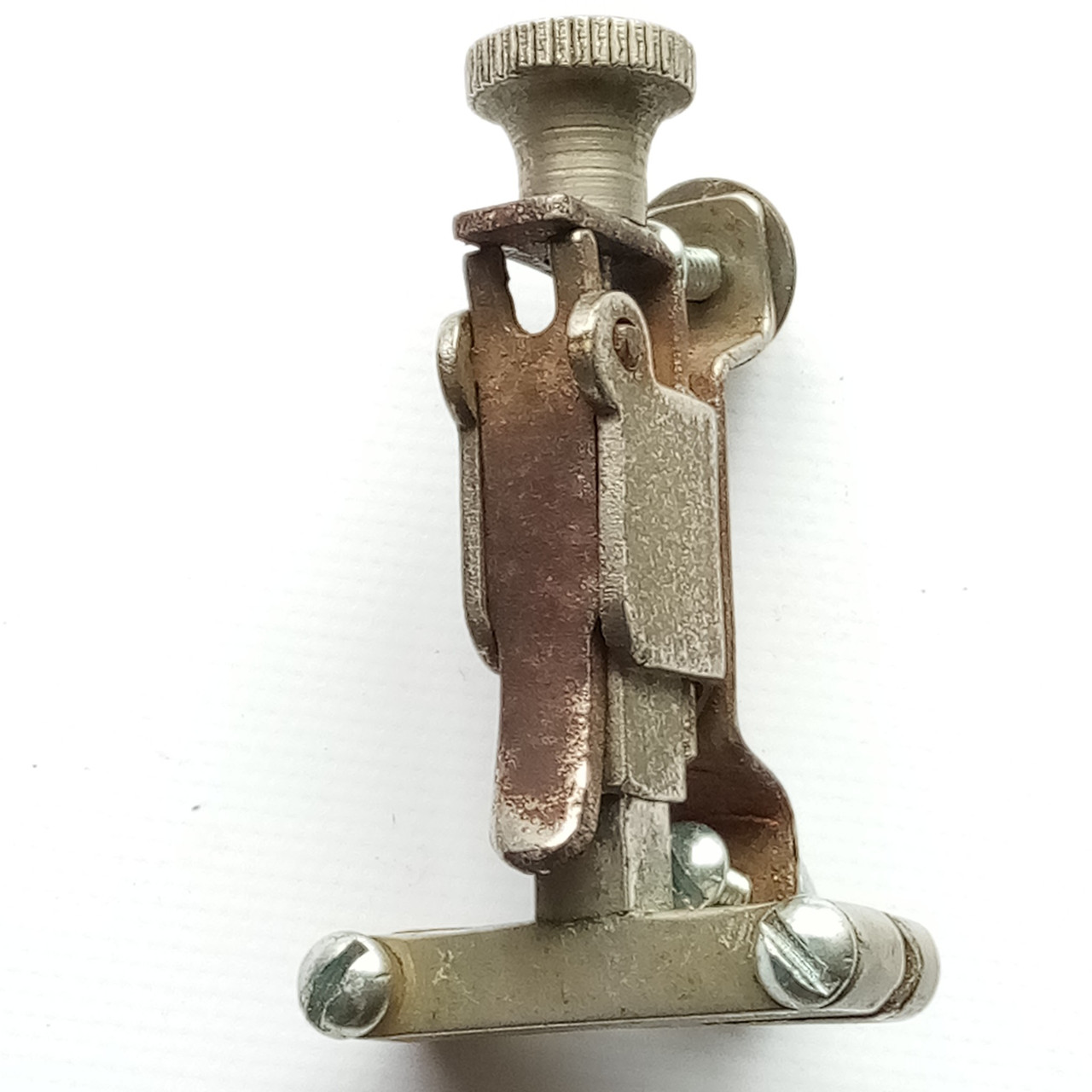
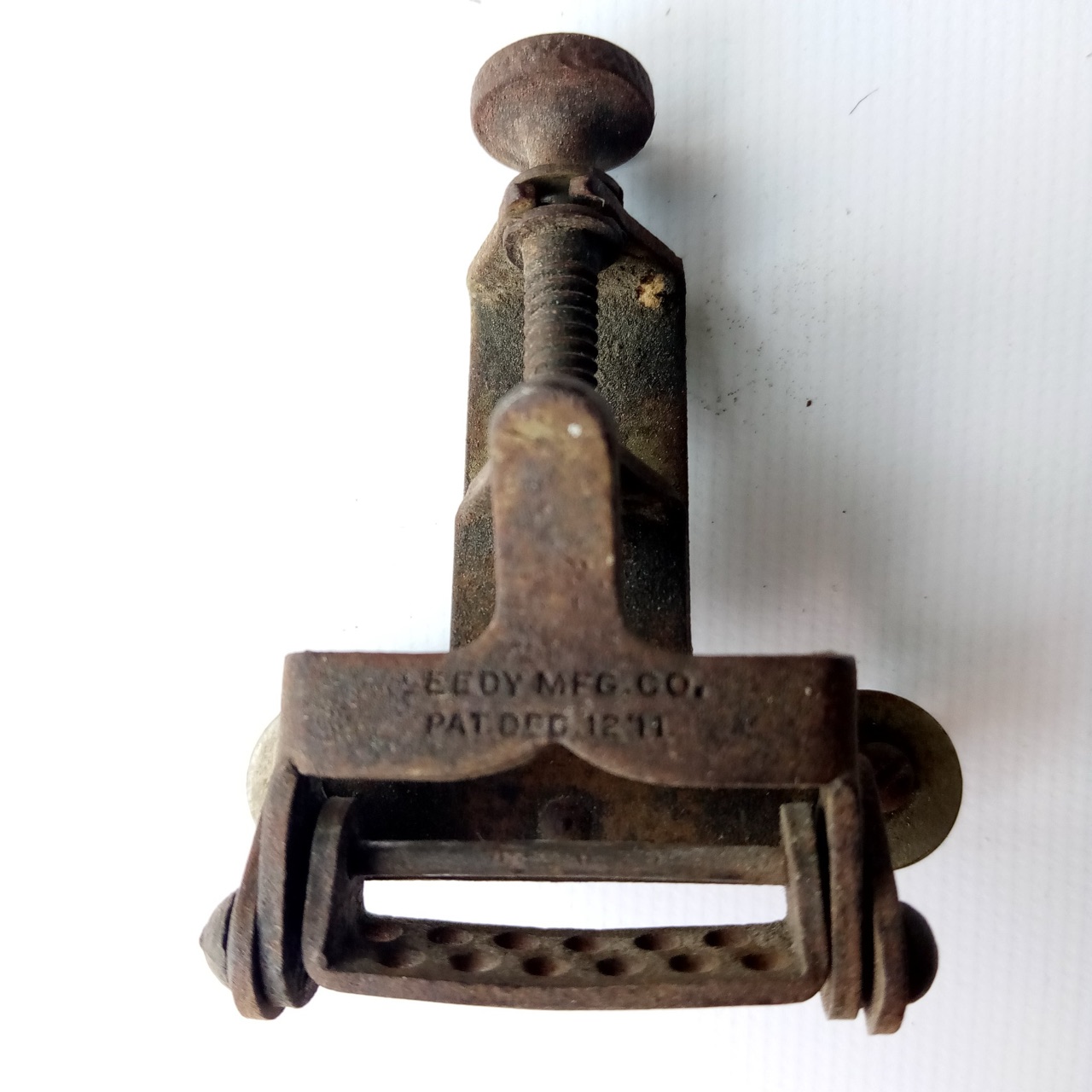
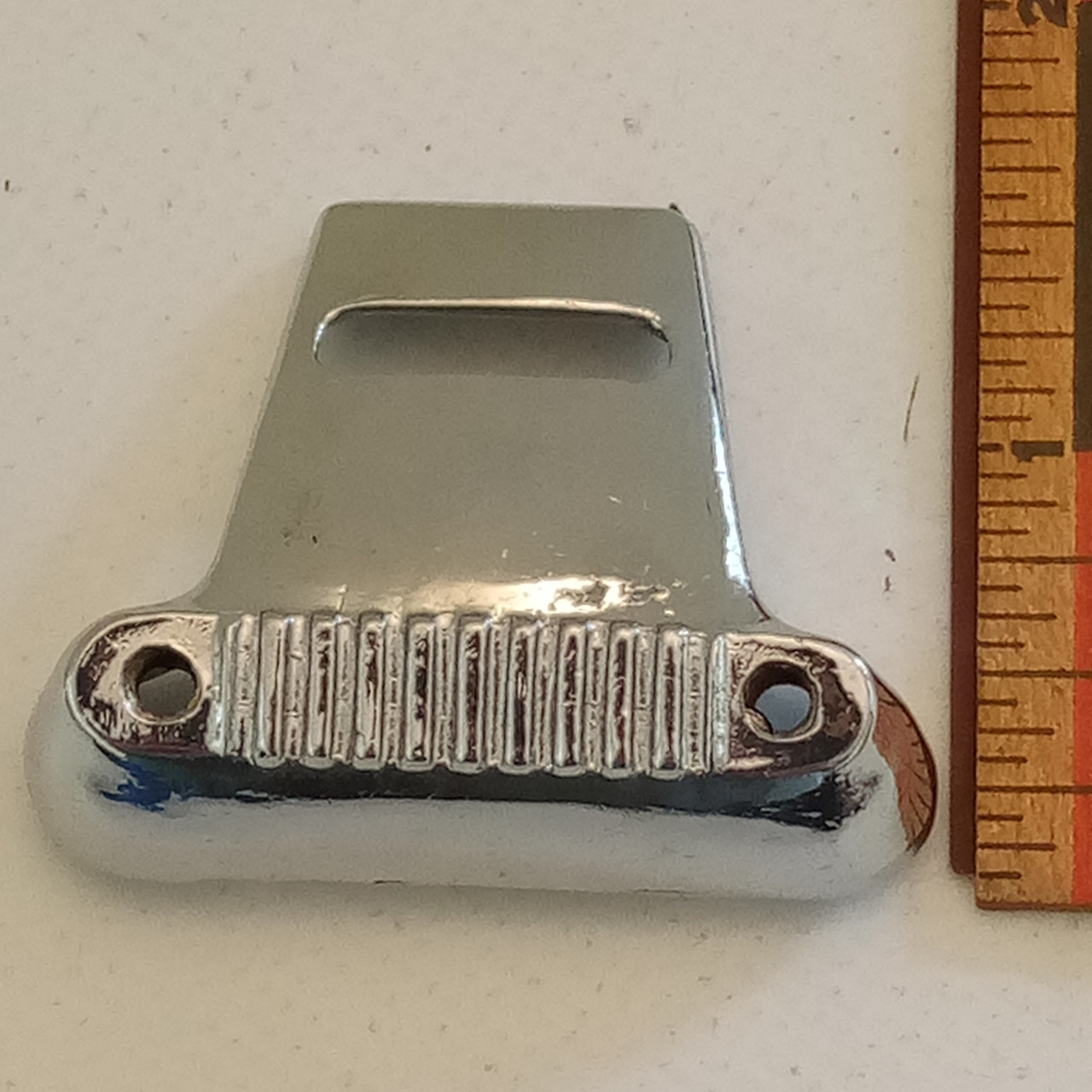
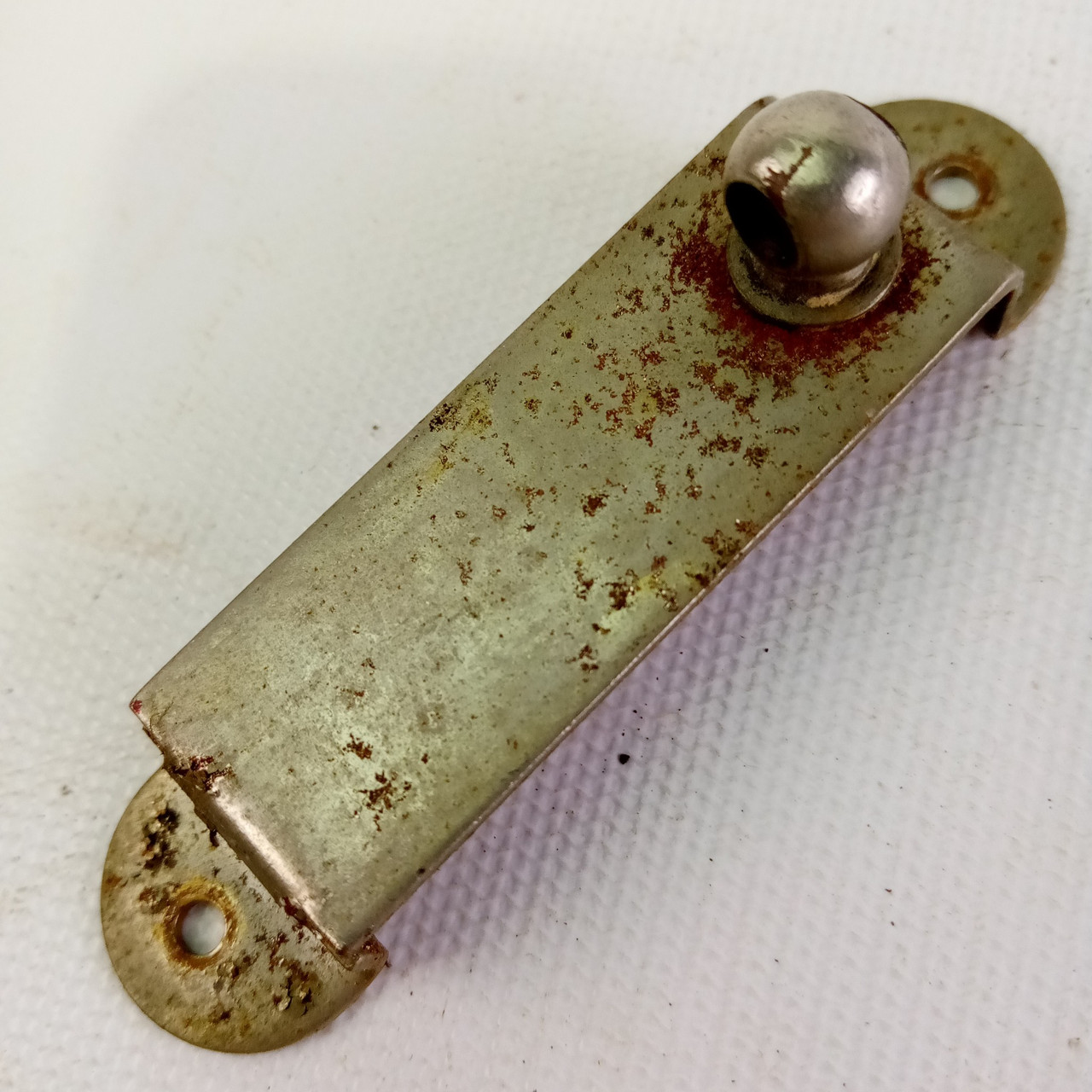
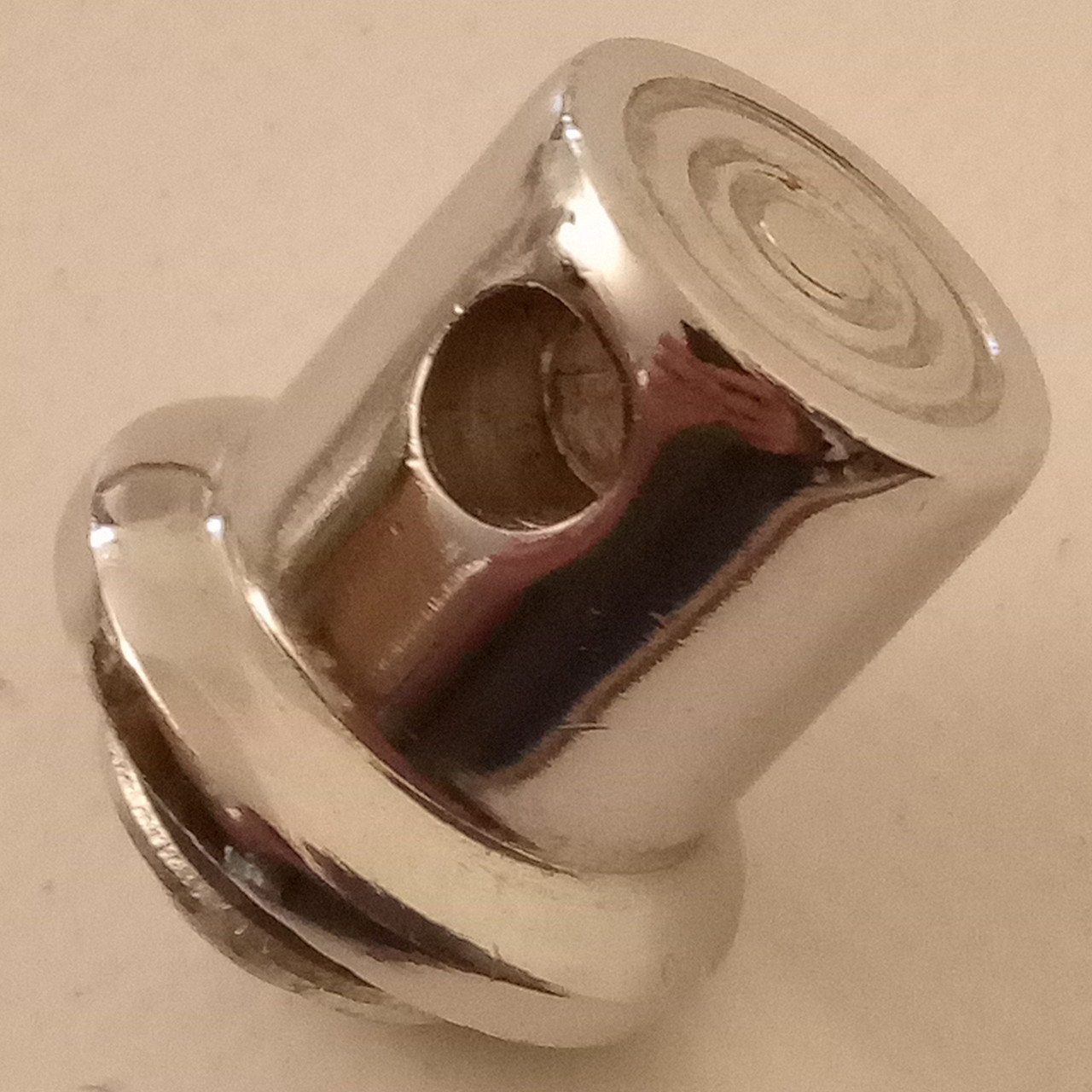
The throw-off is the most-handled part on a snare, so originals wear out and replacements define restorations: a Ludwig P83 in nickel belongs on a 50s–60s wood snare the way a P85 belongs on a 70s Supraphonic, and a Slingerland Zoomatic marks every Radio King restoration. Smooth action and complete mounting screws are what you are paying for.
Measure mounting-hole spacing before ordering — strainer footprints differ by maker and era, and extra holes from a wrong strainer are the commonest value damage on vintage snares.
The throw-off defines the restoration: a P83 in nickel belongs on a 50s-60s wood snare the way a P85 belongs on a 70s Supraphonic, and a Zoomatic marks every correct Radio King restoration. Smooth action and complete mounting screws are what you are paying for.
Measure mounting-hole spacing before ordering — strainer footprints differ by maker and era, and extra holes from a wrong strainer are the commonest value damage on vintage snares. Match the footprint center-to-center against your shell drilling, not against the catalog photo.
Every Snare Strainers & Throw-Offs piece below is in stock now — one-of-a-kind, photographed, and honestly graded. When a piece sells it moves to the archive, so this page always shows exactly what is available.
What the catalog holds: Snare Strainers & Throw-Offs
18 pieces in stock · 395 in the archive.
Common diameters in stock: 25" (1), 3" (1).
Common lug hole spacings: 2 1/8" (2), 4 1/2" (2), 3 3/4" (1), 4 1/4" (1), 8 5/8" (1) — match your shell drilling exactly.
Every figure above is measured from photographed specimens — live stock plus the archive of past listings — not from a catalog or a price guide.
In stock now: snare strainers & throw-offs
Frequently asked questions
Which strainer does my snare need?
The one whose footprint matches your shell's existing drilling center-to-center — P83 nickel for 50s-60s wood snares, P85 for 70s metal shells, Zoomatic for Radio King restorations. Match the footprint, not the catalog.
What should I check on a used throw-off?
Smooth action through the full travel, complete mounting screws, and undamaged lever and linkage. Worn or frozen mechanisms with mismatched footprints are parts, not restorations.
Why do strainer holes matter so much?
Because extra holes from a wrong strainer are the commonest value damage on vintage snares. One correct footprint preserves value; two footprints halve it — measure before you drill anything.
Are reproduction strainers acceptable?
As players when disclosed, never as originals: reproductions with correct footprints restore function without faking originality. Price them as function, and keep the original pattern documented.
Collector guides & data
Deep dives measured from the same catalog snapshots as the figures above:
- Ludwig Supraphonic vs Acrolite: Tell Them Apart & Buy Right
- Vintage Drum Fitment Master: Hole Spacing & Thread Pitch
- Gretsch Round Badge Guide: Dating & Buying 1950s Drums
- Slingerland Radio King Guide: Solid Shells, Cloud Badges & Stick-Savers
- Snare Strainer & Throw-Off Fitment Guide: P83, Zoomatic & Dyna-Sonic
- Vintage Hoops & Rims Guide: Stick-Chopper vs Triple-Flange & Die-Cast
- Bass Drum Spur Fitment Guide: Gull-Wing, Disappearing & Clamp-On
- Tom Mount & Bracket Fitment Guide: Rail, Diamond Plate & Swiv-O-Matic
- Vintage Zildjian Cymbal Stamp Dating Guide: Trans-Stamp to Hollow Logo
- Ludwig Serial Number & Badge Dating Guide: Keystone to Blue/Olive
- Rogers Swiv-O-Matic & Dyna-Sonic Guide: Dayton, Fullerton & Floating Rails
- Vintage Calfskin & Drumhead Fitment Guide: Sizing Skin and Plastic Heads
- Slingerland Lug & Hardware Guide: Imperial, Sound King & Radio King Fitment
- Gretsch Die-Cast & Stick-Chopper Hoop Guide: Profiles, Sizes & Era Cues
- Camco & George Way Drum Guide: Oak Lawn, LA & the DW Lineage
- Vintage Drum Metric vs Imperial Thread Guide: 12-24, 10-24 & Euro Pitches
- Premier & British Vintage Drums Guide: England's 60s Workhorses
- Vintage Japanese Drums Guide: Tama, Pearl & Yamaha MIJ Kits
- Marching, Tenor, Parade & Concert Drums Guide: Corps, Field & Stage
- Vintage Drum Wraps & Plating Restoration Guide: Finishes That Hold Value
- Hoop Metallurgy & Profiles Guide: COB, COS, Die-Cast, Flanged & Wood Hoops
- Badges, Butt Plates, Mufflers & Snare Wires Guide: Small Parts That Date Drums
- Tension Rods, Claws, T-Rods & Clips Guide: Threads That Hold Tuning
- Stands, Tom Holders, Harnesses & Cases Guide: Hold It Up, Carry It Safe
- Vintage Vinyl Pressings, Matrix Runouts & Goldmine Grading Guide
- Vintage Drum Pedals, Thrones, Amplifiers & Musical Goods Collector Guide
- Vintage Drum Hardware & Lugs Guide: Beavertail, Bow-Tie & Unbranded Fitment
- Specialty & Unbranded Percussion Guide: Cowbells, Sticks, Cymbals & One-Offs
- Sonor & German Vintage Drum Hardware Guide: Teardrop Lugs, Metric Threads & Slotted Screws
- Leedy, Conn & Brass/Nickel-Era Hardware Guide: Broadway Parallel & Single-Tension Designs
- Acrylic & Fiberglass Drums Guide: Vistalite, Fibes & Zickos Restoration
- Concert, Symphonic & Orchestra Snare and Timpani Parts Guide
- Vintage Bass Drum Pedal & Hi-Hat Stand Mechanics Guide: Speed King, Ghost & Swiv-O-Matic
- Vintage Drum Claw, T-Rod & Tension Rod Length Encyclopedia
- Vintage Drum Thrones, Cymbal Boom Stands & Flat-Base Hardware Guide
- Complete Vintage Drum Badge Identification & Dating Atlas
- Vintage Snare Butt Plates, Strainer Bridges & Extended Snare Mechanisms Guide
- Vintage Bass Drum Hoops, Inlays, T-Rods & Claw Hook Fitment by Maker Guide
- Vintage Tom Arms, L-Rods, Rail Consolette & Floor Tom Leg Brackets Guide
- Complete Vintage Drum Restoration, Rust Removal & Period-Correct Part Matching Manual
- Full catalog with specs (llms-full.txt)