In stock › Categories › 1960s drums & parts
1960s Vintage Drums & Parts
Browse all 276 in the shop — opens pre-filtered.
The Ringo boom: oyster pearls and sparkles, Supraphonic, Dyna-Sonic.
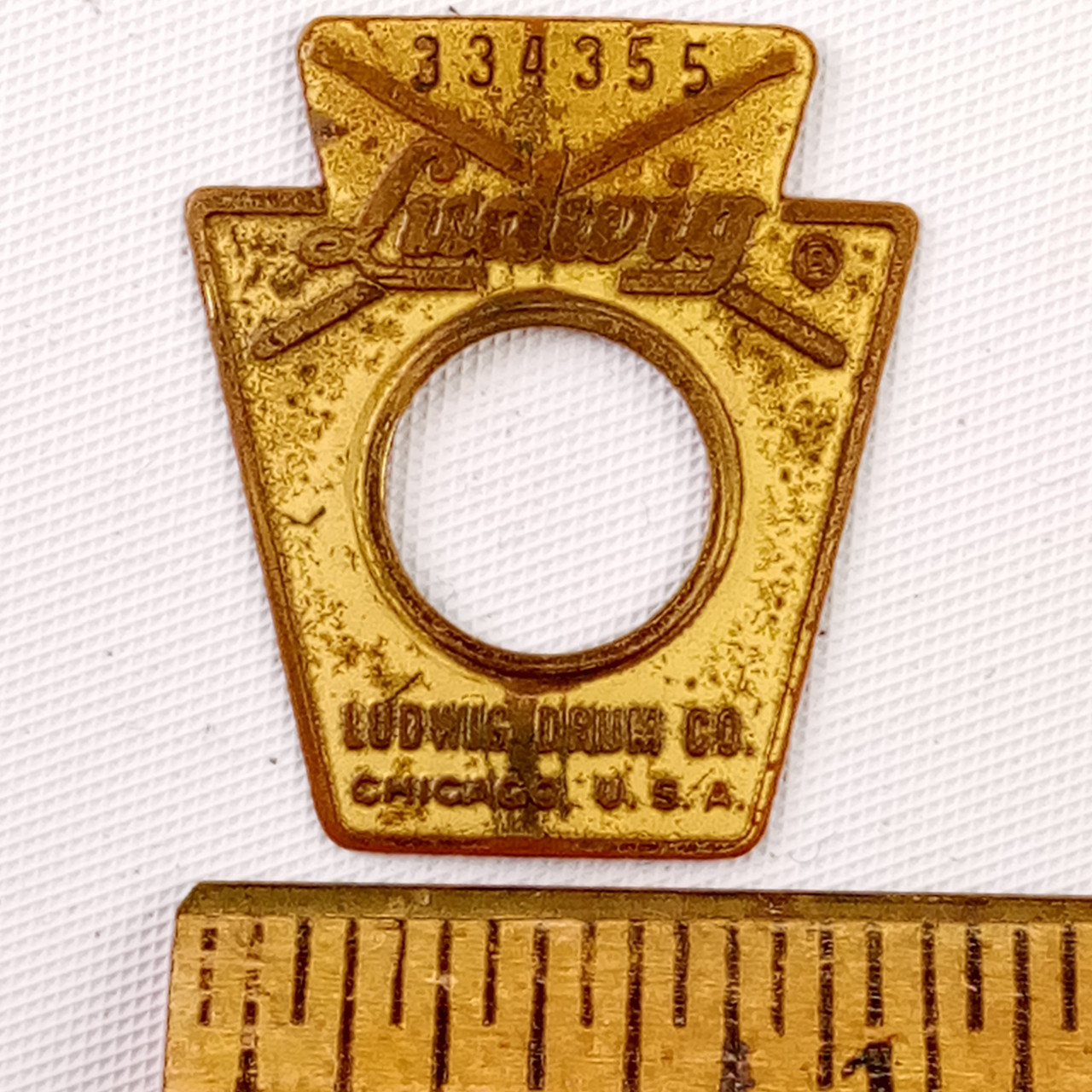
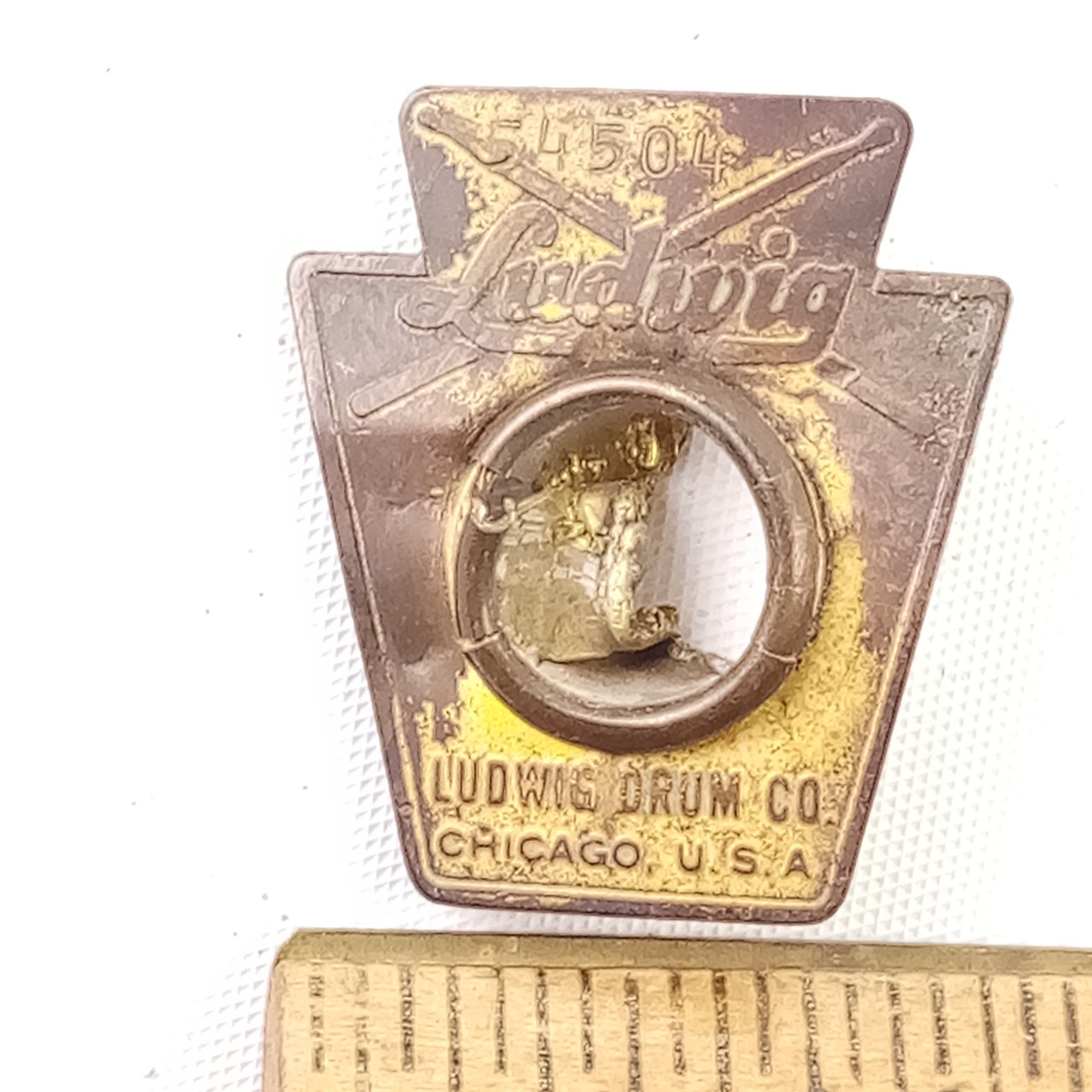
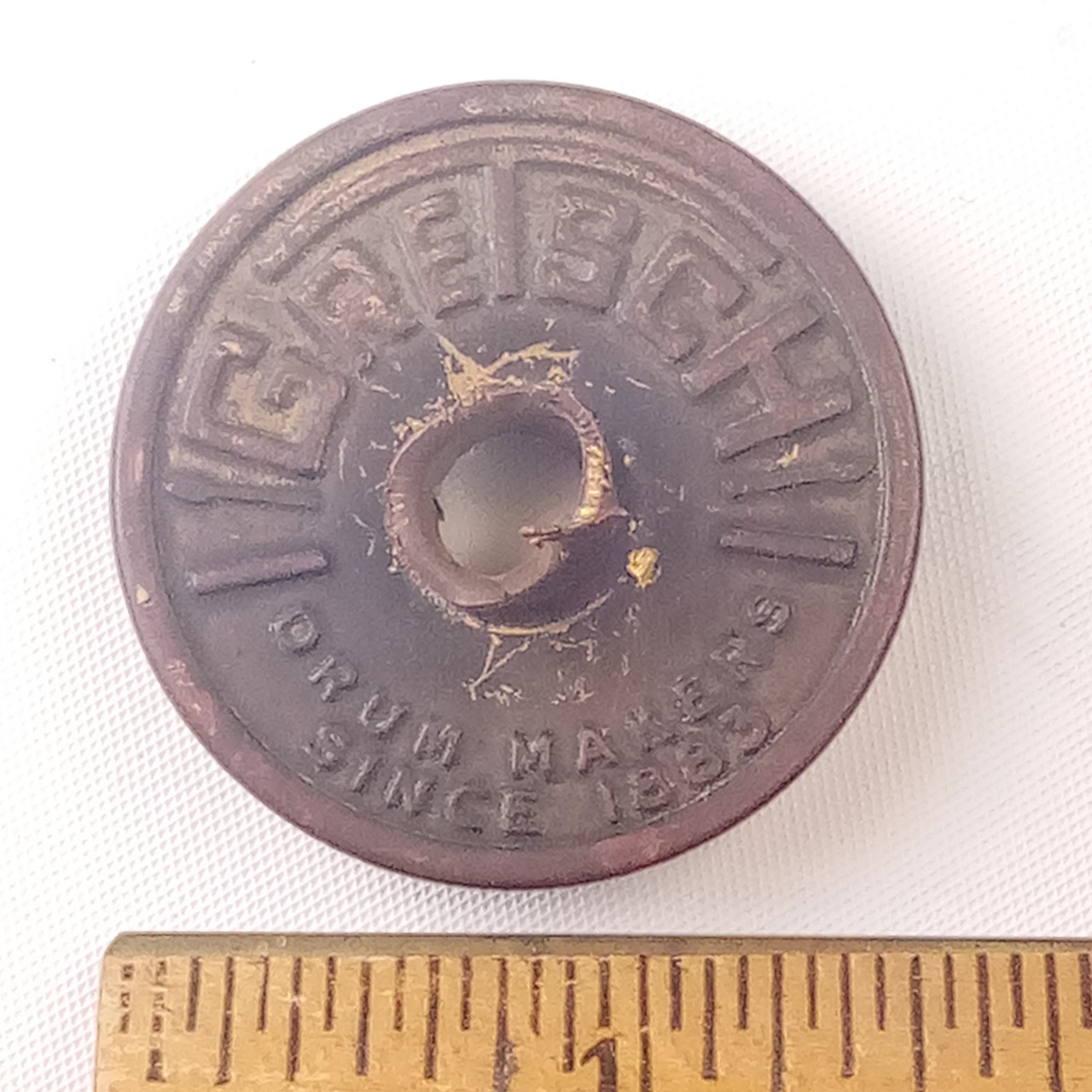
How to date what you find here: American makers dated drums by badge first, serial second — Ludwig keystone (1960–69) versus blue/olive (1969 on), Slingerland cloud versus oval badges, Gretsch round badge versus stop-sign. Serials narrow the year; shell interiors and hardware stampings confirm it. When a listing's era matters to you, ask us — we check badges against the drum in hand.
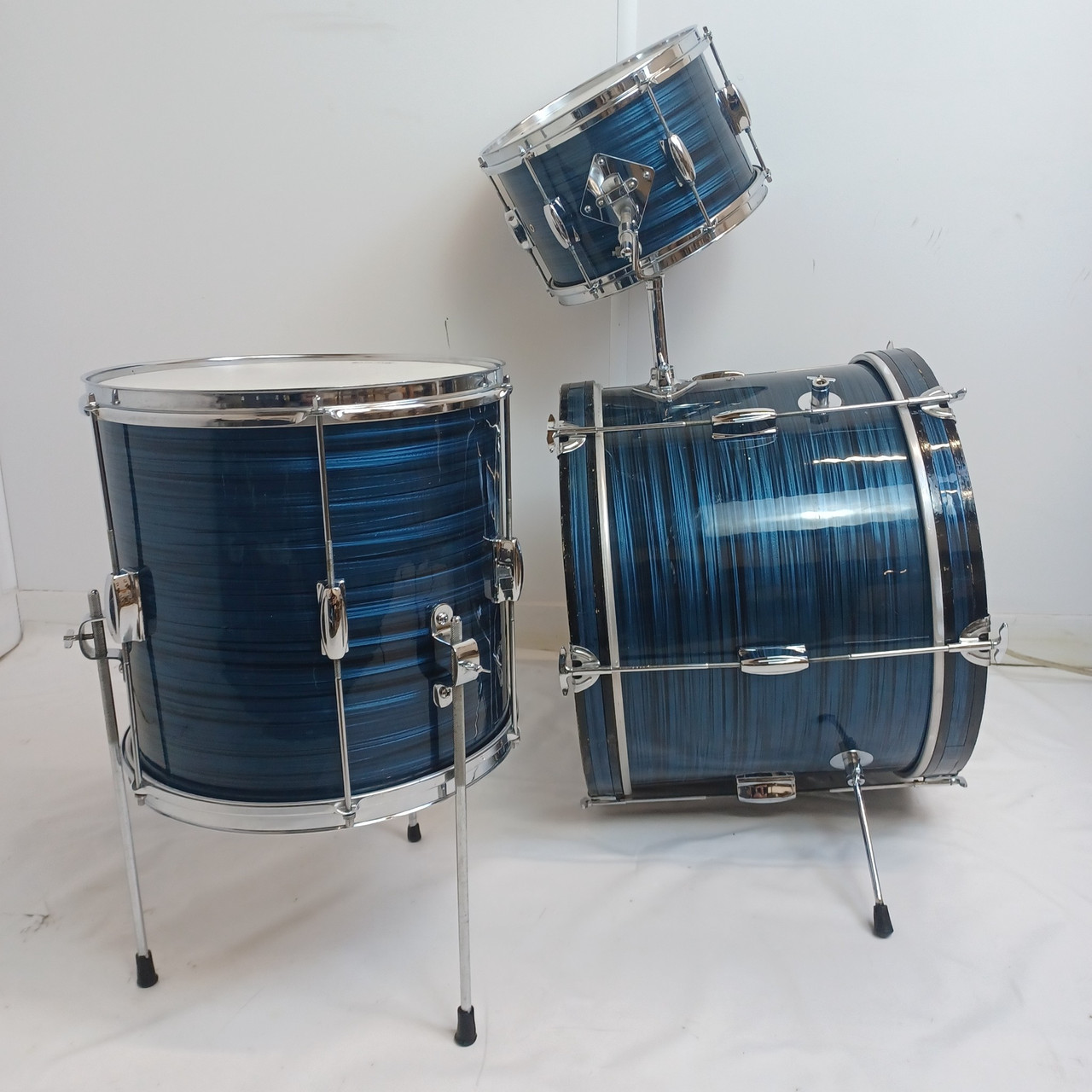
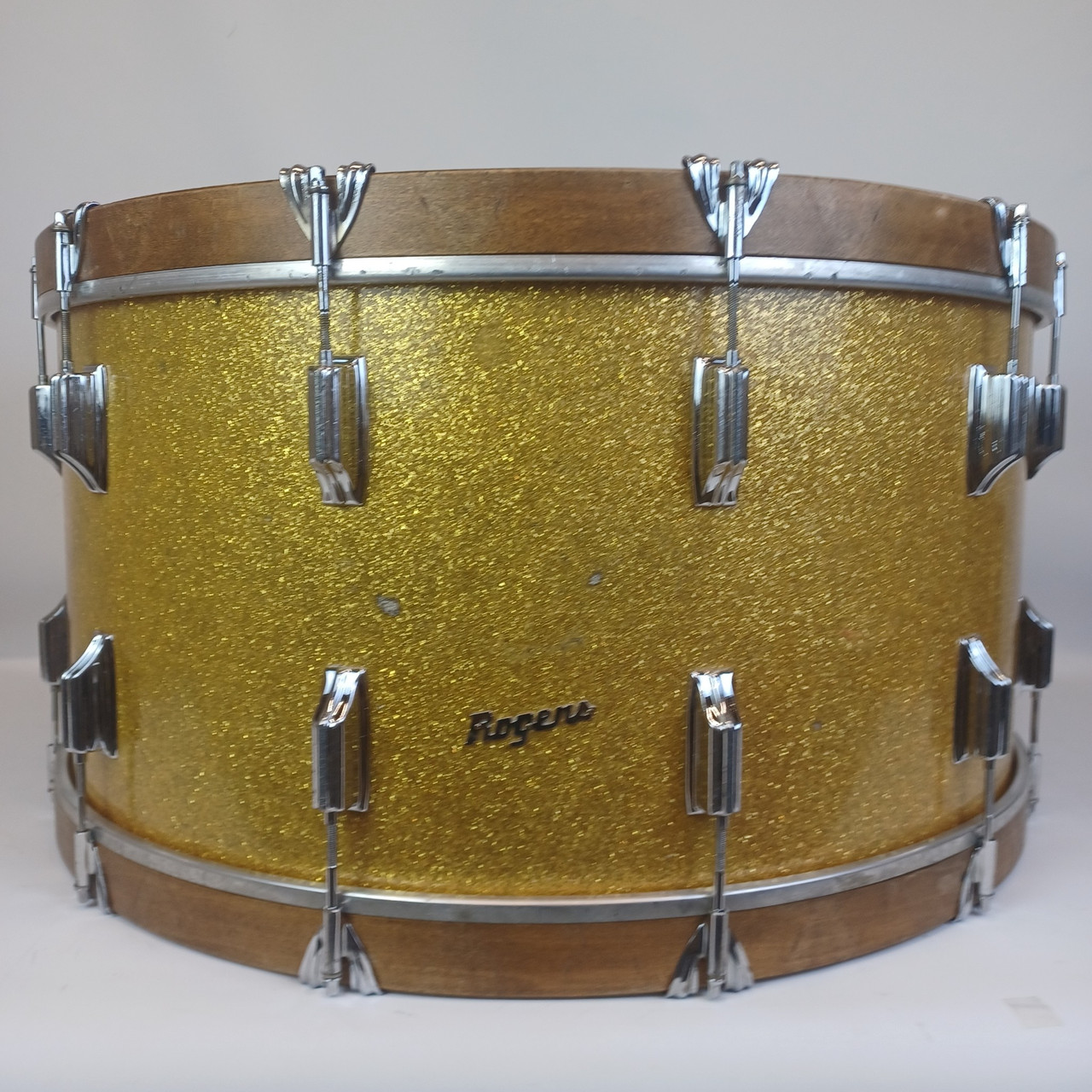
The Ringo boom made the 60s the most collected decade: oyster pearls and sparkles, Supraphonics, Dyna-Sonics, champagne sparkle kits. Keystone badges (1960-69) and serials date Ludwig shells to the year; 3-ply maple/poplar/maple with reinforcement rings is the classic 60s voice. Pay the premium only when shell, badge, and hardware all agree.
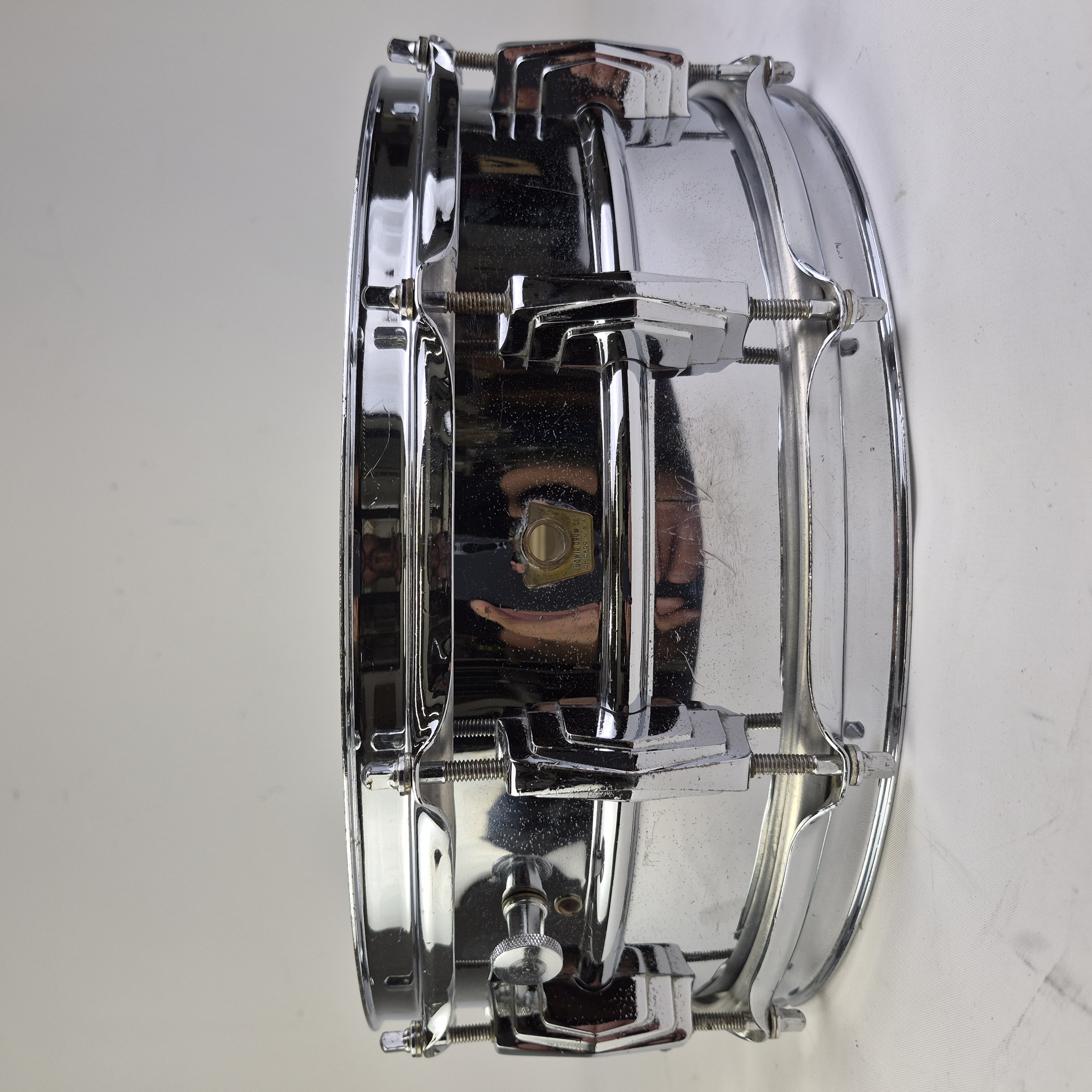
Volume was enormous, so condition separates the market: original wraps, undisturbed grommets, correct strainers (P83 nickel early, P85 later), and no extra holes. High supply means no excuse for overpaying a modified drum — the archive below shows what honest examples look like.
What the catalog holds: 1960s drums & parts
276 pieces in stock · 2722 in the archive.
Common diameters in stock: 14" (26), 5" (7), 8" (7), 15" (6), 6" (6).
Common lug hole spacings: 1 5/8" (32), 1 7/8" (17), 3 3/4" (15), 4 1/4" (13), 2 3/16" (9) — match your shell drilling exactly.
Thread pitches observed: 12-24 (81), 1/4-20 (3), 1/4-28 (1), 3/8-18 (1), 8-24 (1) — 12-24 fits most vintage American lugs, 10-24 older designs.
Every figure above is measured from photographed specimens — live stock plus the archive of past listings — not from a catalog or a price guide.
In stock now: 1960s drums & parts
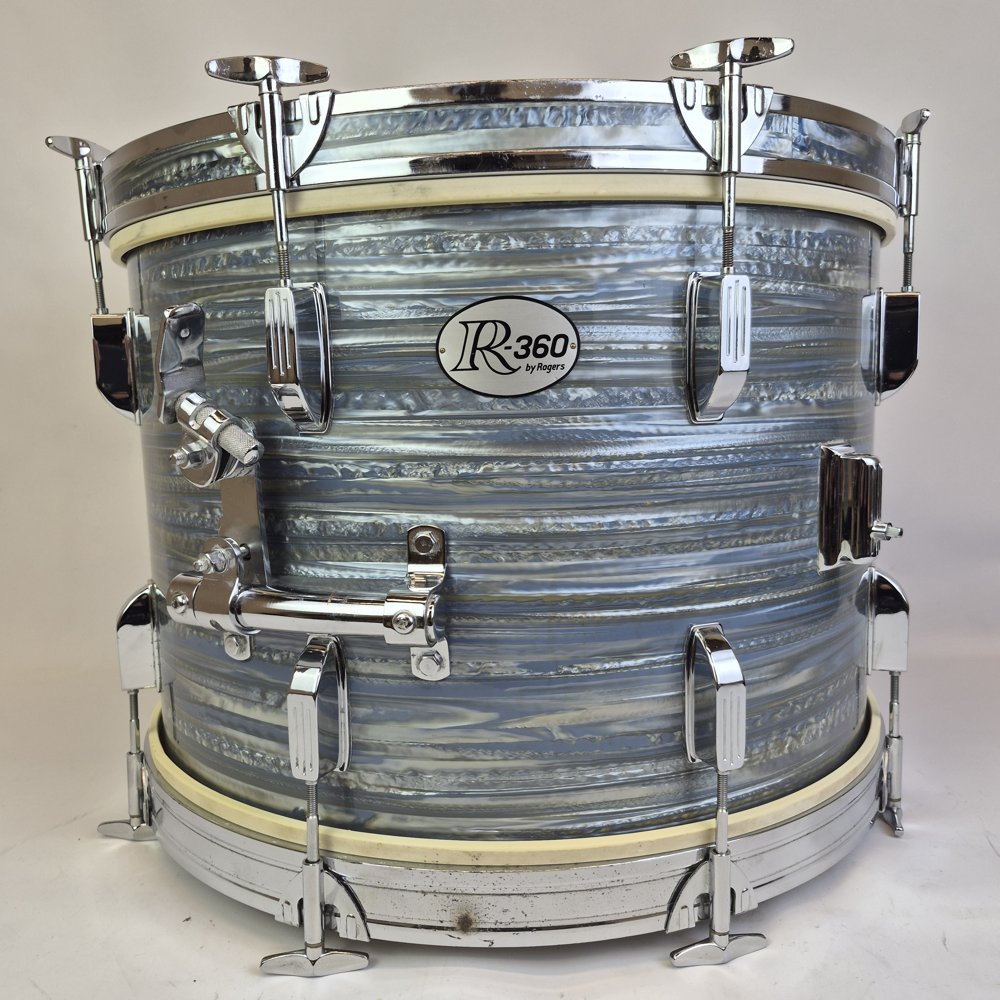
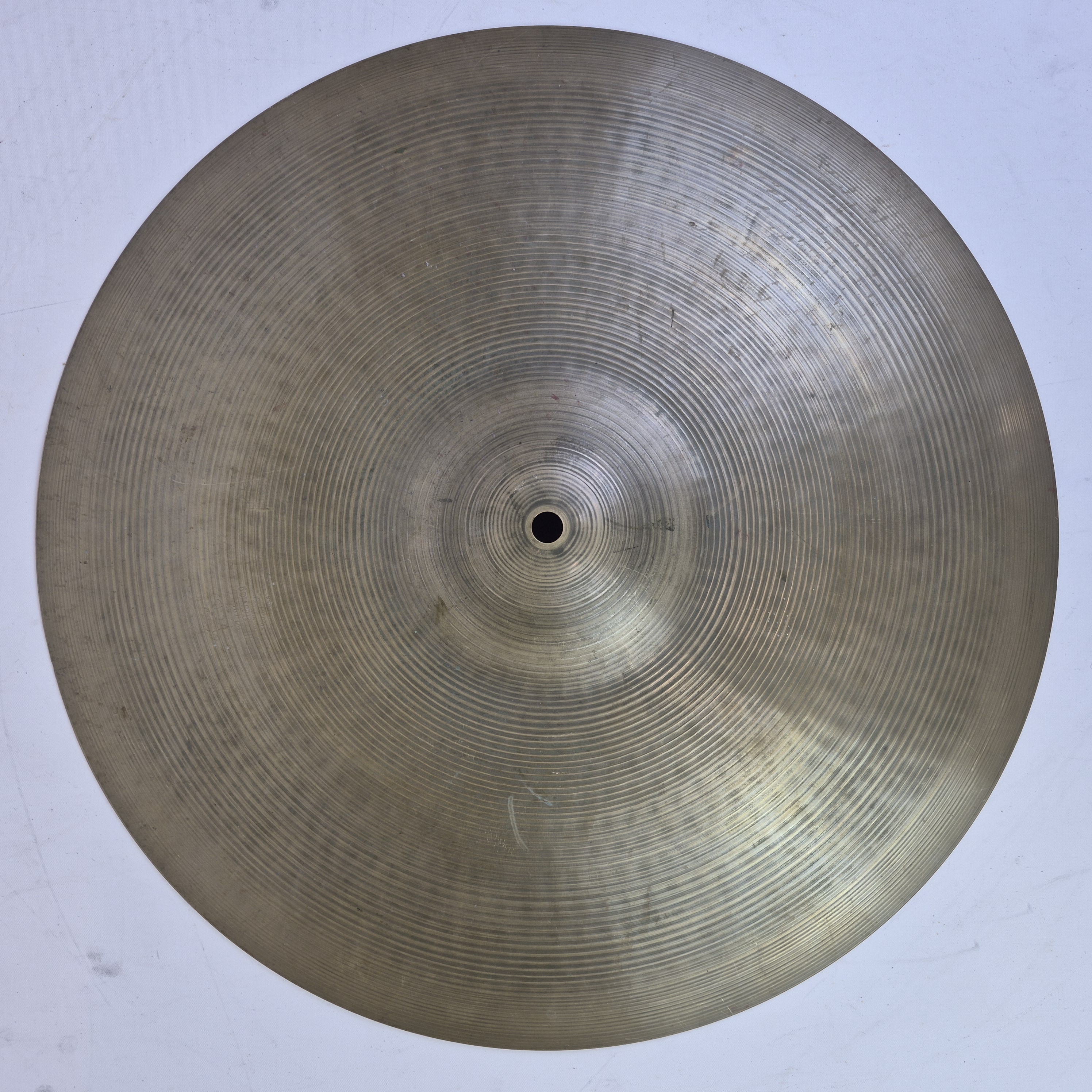
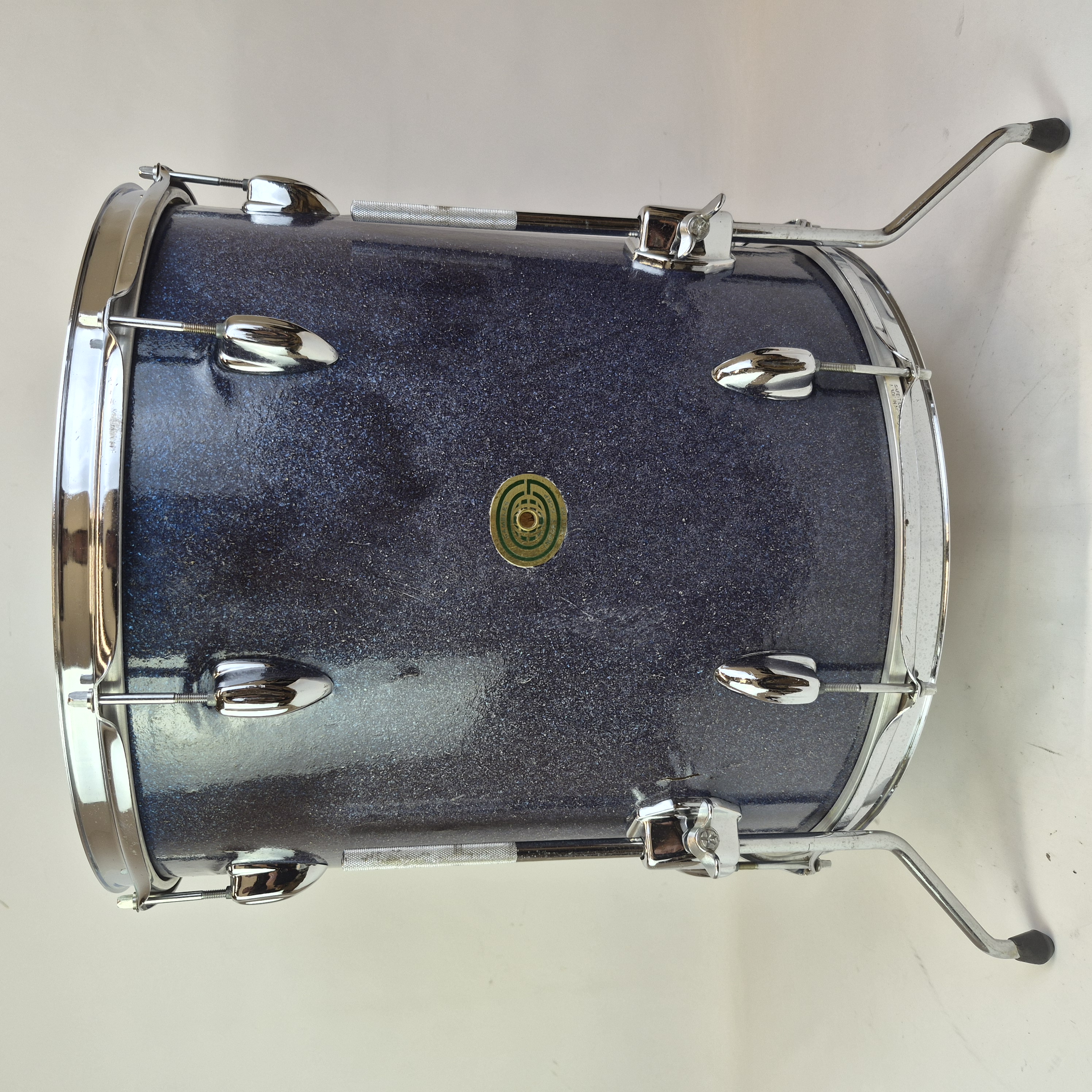
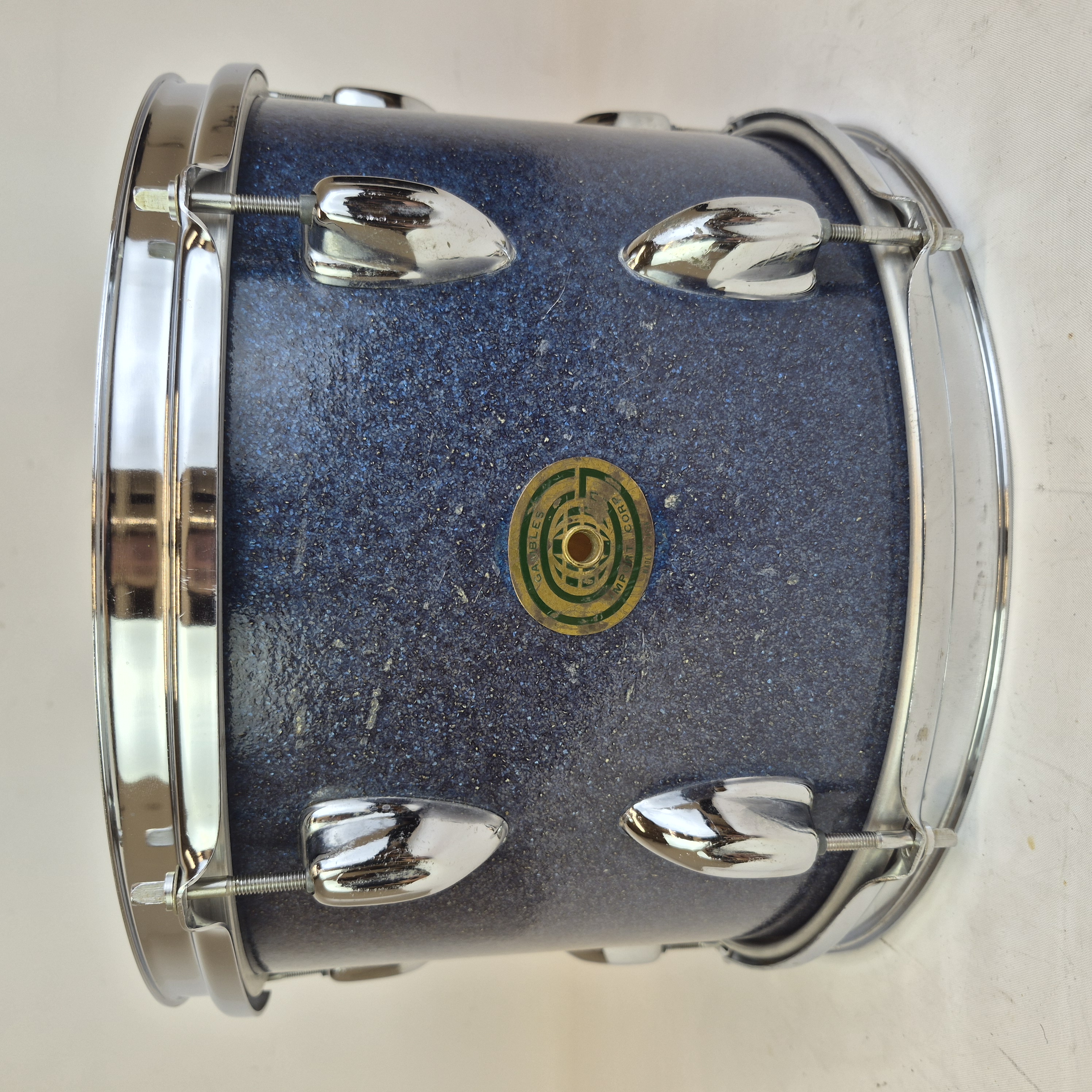
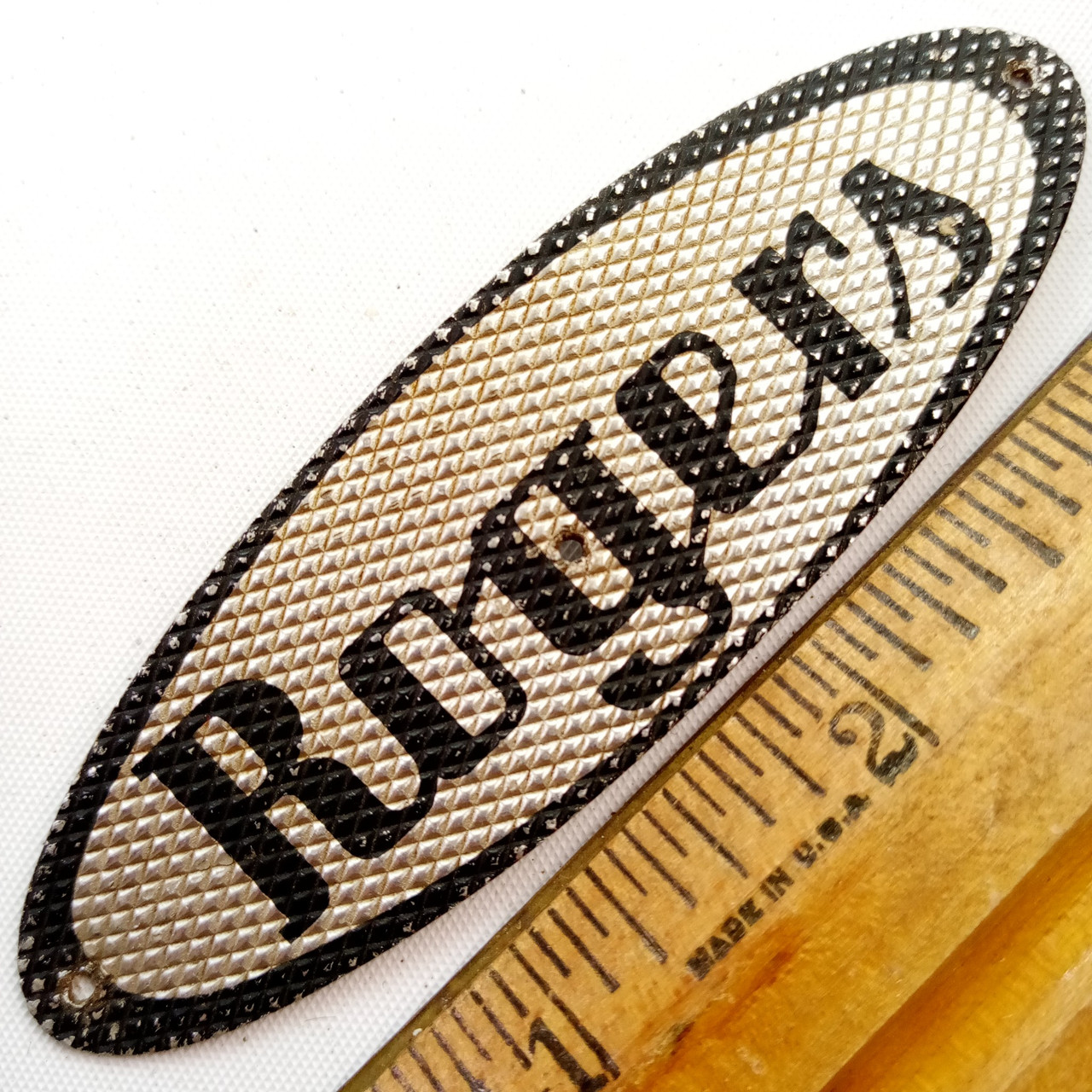
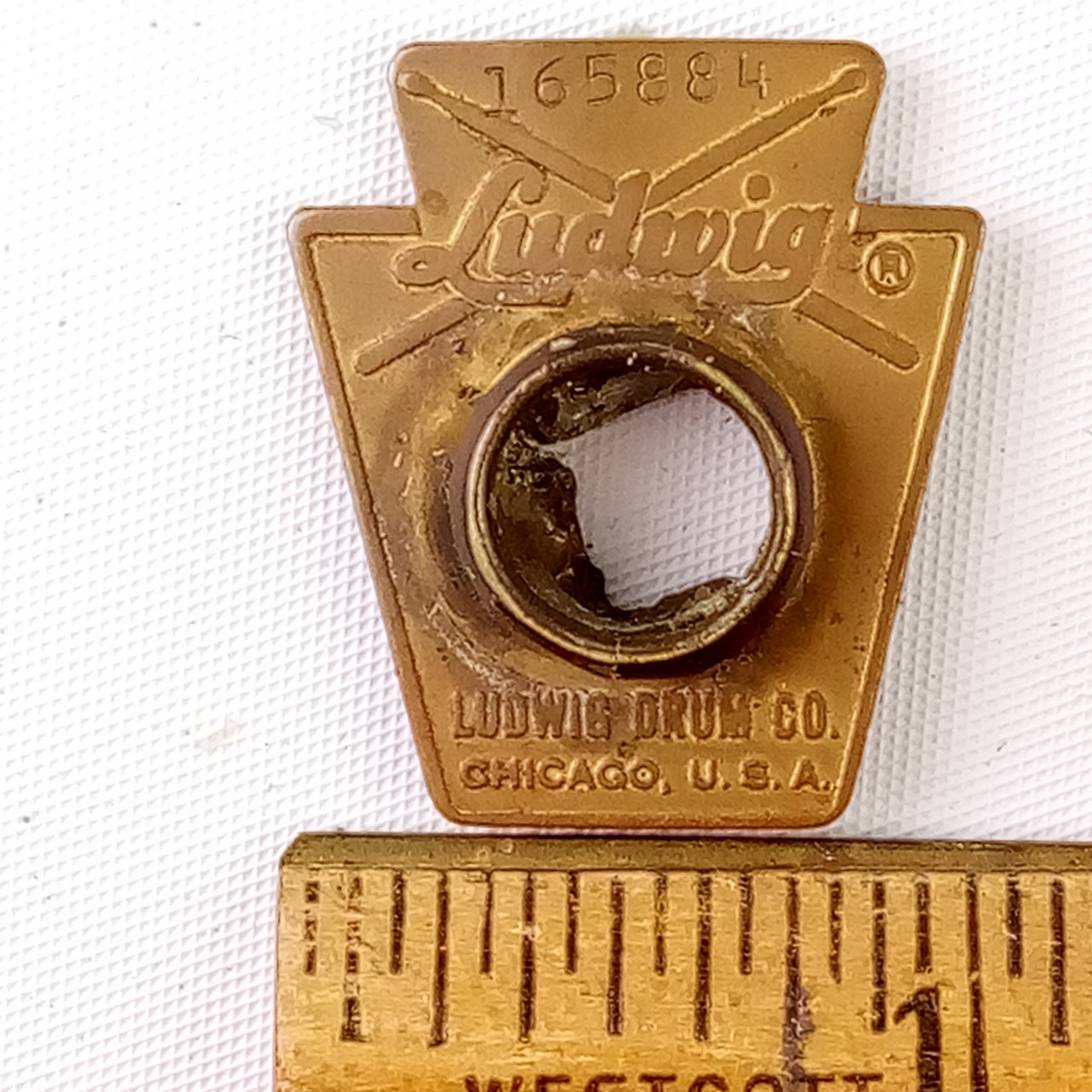
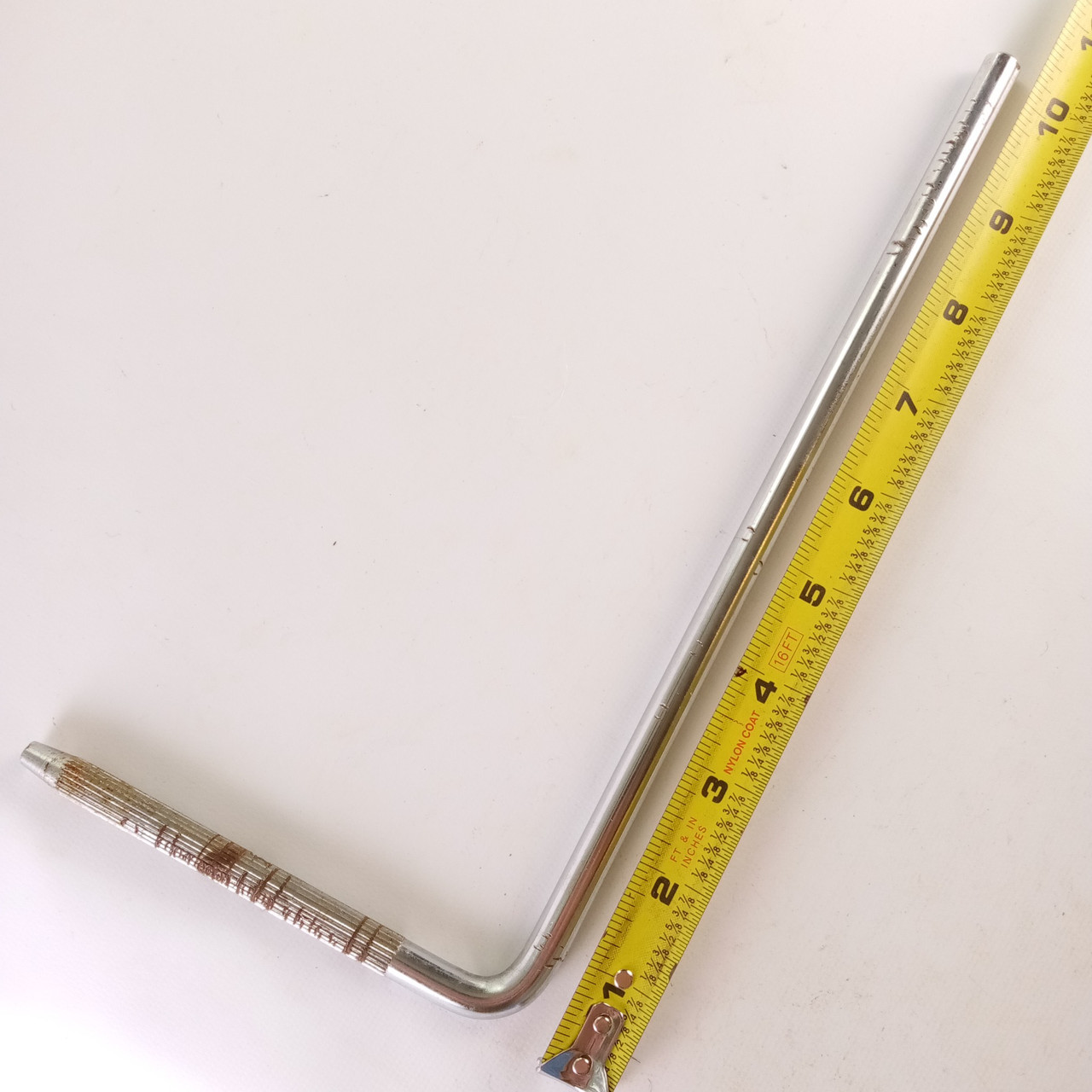
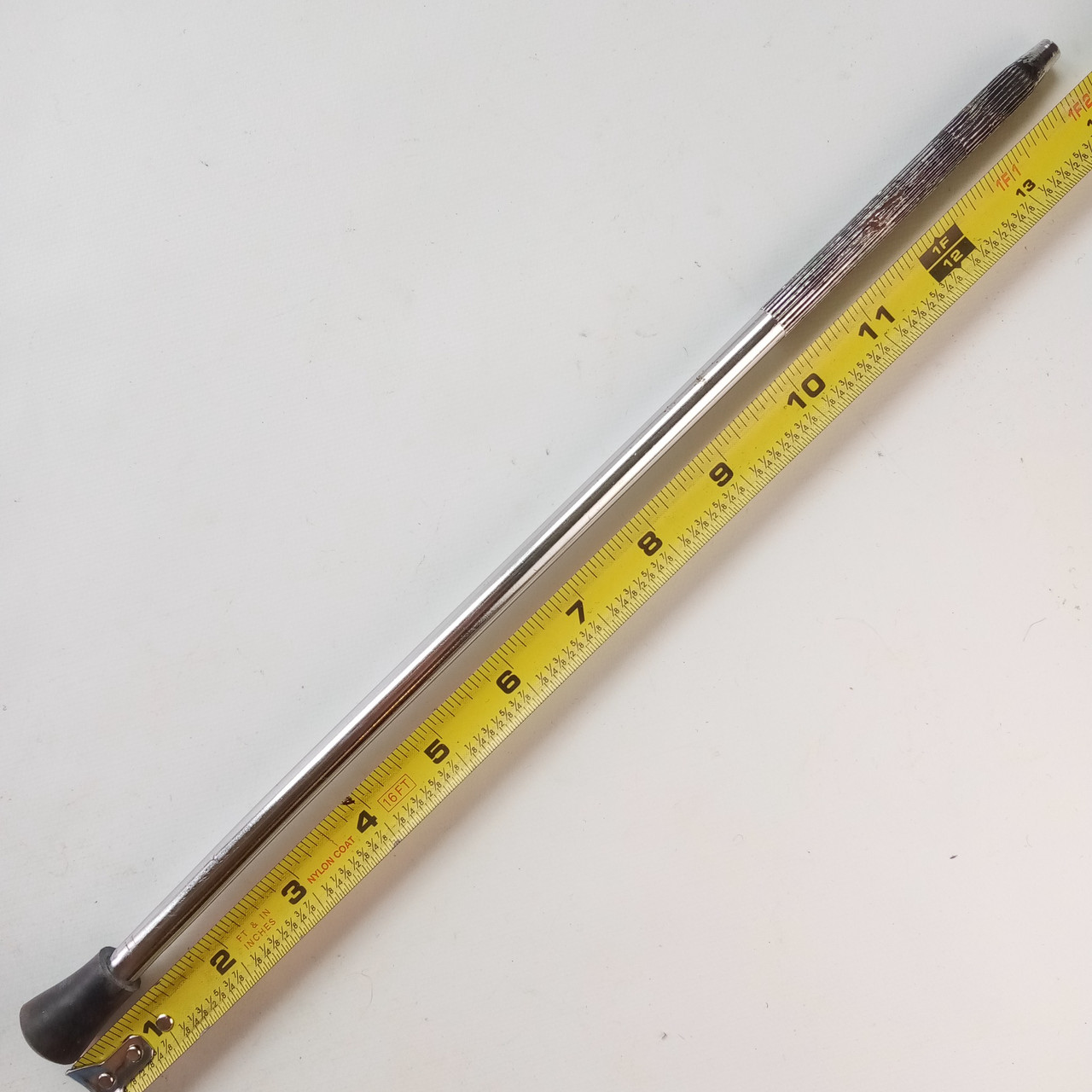
Frequently asked questions
How do I date a 60s Ludwig?
Keystone badge (1960-69), then the serial narrows the year; shell interiors (3-ply maple/poplar/maple with reinforcement rings) and hardware stampings confirm it. When the era matters to you, ask us — we check badges against the drum in hand.
Oyster pearl, sparkles — are the wraps original?
Check seams, fade, and interior overspray: Black Oyster Pearl and Champagne Sparkle are the most re-wrapped finishes in vintage drums. Originals carry the premium; re-wraps are players. The archived specimens below show honest originals.
What should a 60s kit include to hold value?
Matching serial-era shells, correct strainers (P83 nickel early, P85 later), original hoops with matching lug counts, and no extra holes. Complete original kits hold value best; orphaned toms trade at a working discount.
Are 60s drums overpriced?
High supply means an efficient market: compare against the archived specimens below and never overpay a modified drum. Original, complete, unmodified examples earn their premium; everything else is negotiable.
Collector guides & data
Deep dives measured from the same catalog snapshots as the figures above:
- Ludwig Supraphonic vs Acrolite: Tell Them Apart & Buy Right
- Vintage Drum Fitment Master: Hole Spacing & Thread Pitch
- Gretsch Round Badge Guide: Dating & Buying 1950s Drums
- Slingerland Radio King Guide: Solid Shells, Cloud Badges & Stick-Savers
- Snare Strainer & Throw-Off Fitment Guide: P83, Zoomatic & Dyna-Sonic
- Vintage Hoops & Rims Guide: Stick-Chopper vs Triple-Flange & Die-Cast
- Bass Drum Spur Fitment Guide: Gull-Wing, Disappearing & Clamp-On
- Tom Mount & Bracket Fitment Guide: Rail, Diamond Plate & Swiv-O-Matic
- Vintage Zildjian Cymbal Stamp Dating Guide: Trans-Stamp to Hollow Logo
- Ludwig Serial Number & Badge Dating Guide: Keystone to Blue/Olive
- Rogers Swiv-O-Matic & Dyna-Sonic Guide: Dayton, Fullerton & Floating Rails
- Vintage Calfskin & Drumhead Fitment Guide: Sizing Skin and Plastic Heads
- Slingerland Lug & Hardware Guide: Imperial, Sound King & Radio King Fitment
- Gretsch Die-Cast & Stick-Chopper Hoop Guide: Profiles, Sizes & Era Cues
- Camco & George Way Drum Guide: Oak Lawn, LA & the DW Lineage
- Vintage Drum Metric vs Imperial Thread Guide: 12-24, 10-24 & Euro Pitches
- Premier & British Vintage Drums Guide: England's 60s Workhorses
- Vintage Japanese Drums Guide: Tama, Pearl & Yamaha MIJ Kits
- Marching, Tenor, Parade & Concert Drums Guide: Corps, Field & Stage
- Vintage Drum Wraps & Plating Restoration Guide: Finishes That Hold Value
- Hoop Metallurgy & Profiles Guide: COB, COS, Die-Cast, Flanged & Wood Hoops
- Badges, Butt Plates, Mufflers & Snare Wires Guide: Small Parts That Date Drums
- Tension Rods, Claws, T-Rods & Clips Guide: Threads That Hold Tuning
- Stands, Tom Holders, Harnesses & Cases Guide: Hold It Up, Carry It Safe
- Vintage Vinyl Pressings, Matrix Runouts & Goldmine Grading Guide
- Vintage Drum Pedals, Thrones, Amplifiers & Musical Goods Collector Guide
- Vintage Drum Hardware & Lugs Guide: Beavertail, Bow-Tie & Unbranded Fitment
- Specialty & Unbranded Percussion Guide: Cowbells, Sticks, Cymbals & One-Offs
- Sonor & German Vintage Drum Hardware Guide: Teardrop Lugs, Metric Threads & Slotted Screws
- Leedy, Conn & Brass/Nickel-Era Hardware Guide: Broadway Parallel & Single-Tension Designs
- Acrylic & Fiberglass Drums Guide: Vistalite, Fibes & Zickos Restoration
- Concert, Symphonic & Orchestra Snare and Timpani Parts Guide
- Vintage Bass Drum Pedal & Hi-Hat Stand Mechanics Guide: Speed King, Ghost & Swiv-O-Matic
- Vintage Drum Claw, T-Rod & Tension Rod Length Encyclopedia
- Vintage Drum Thrones, Cymbal Boom Stands & Flat-Base Hardware Guide
- Complete Vintage Drum Badge Identification & Dating Atlas
- Vintage Snare Butt Plates, Strainer Bridges & Extended Snare Mechanisms Guide
- Vintage Bass Drum Hoops, Inlays, T-Rods & Claw Hook Fitment by Maker Guide
- Vintage Tom Arms, L-Rods, Rail Consolette & Floor Tom Leg Brackets Guide
- Complete Vintage Drum Restoration, Rust Removal & Period-Correct Part Matching Manual
- Full catalog with specs (llms-full.txt)