In stock › Guides › Vintage Drum Thrones, Cymbal Boom Stands & Flat-Base Hardware Guide
Vintage Drum Thrones, Cymbal Boom Stands & Flat-Base Hardware Guide
Reference guide · counts measured from photographed specimens · updated 2026-11-19
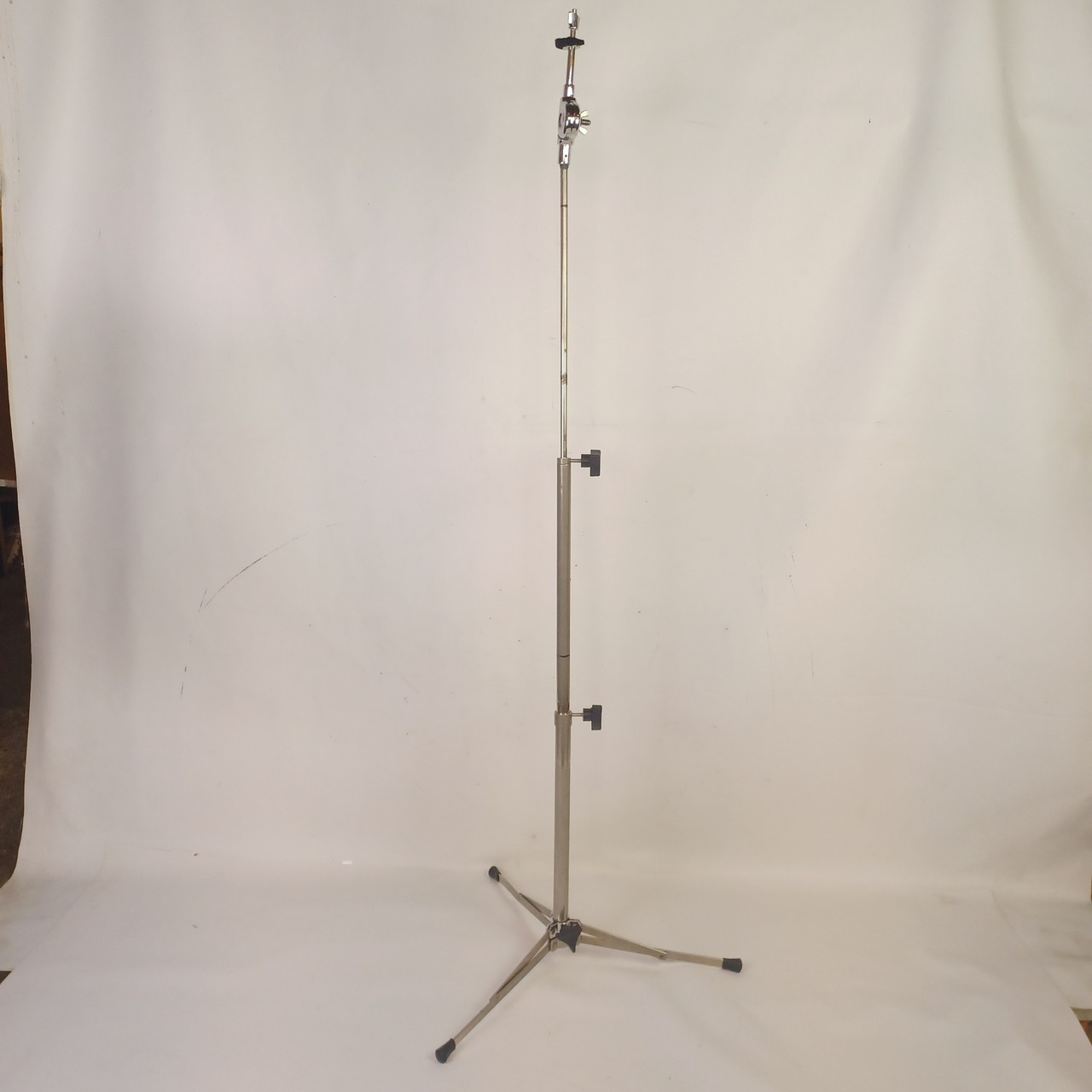
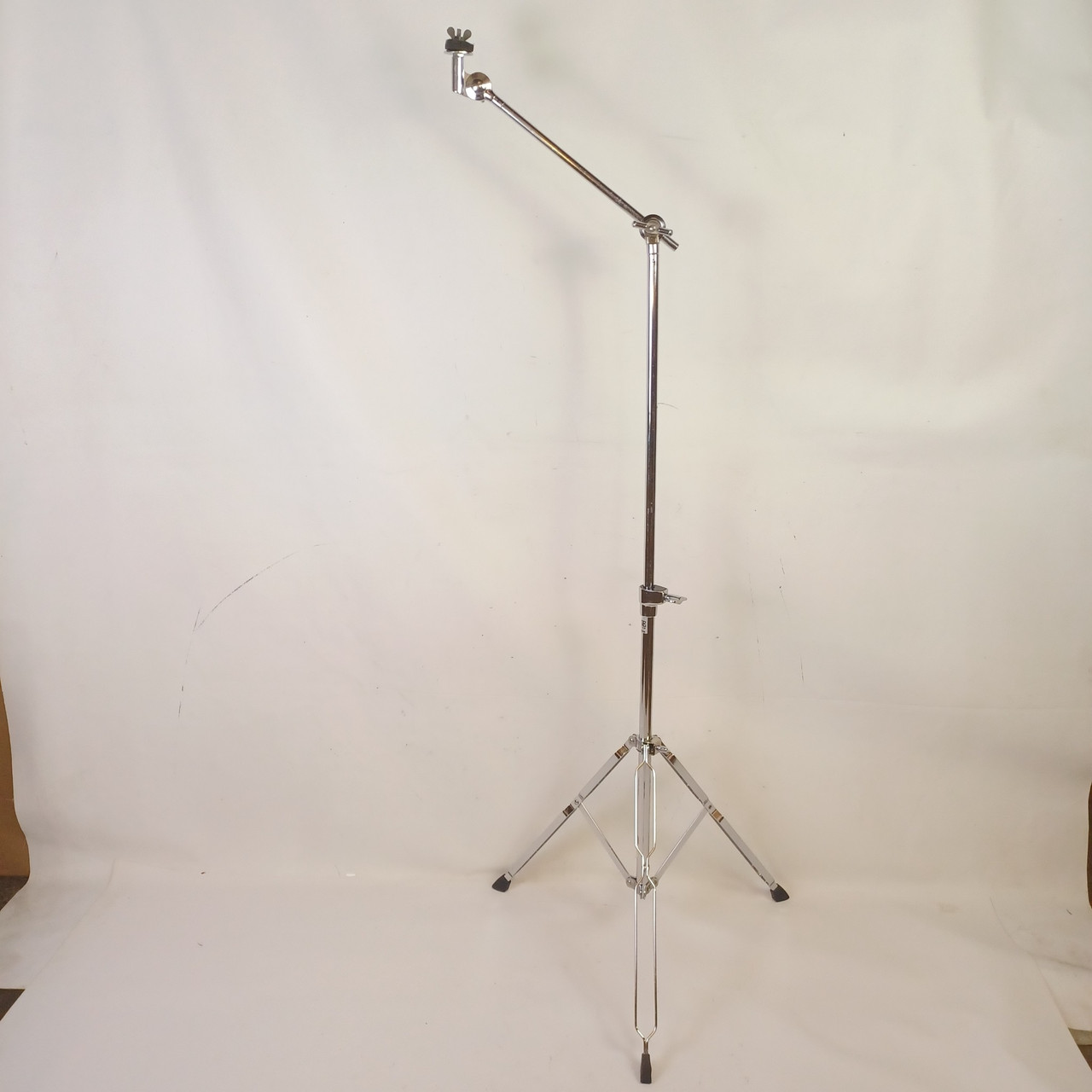
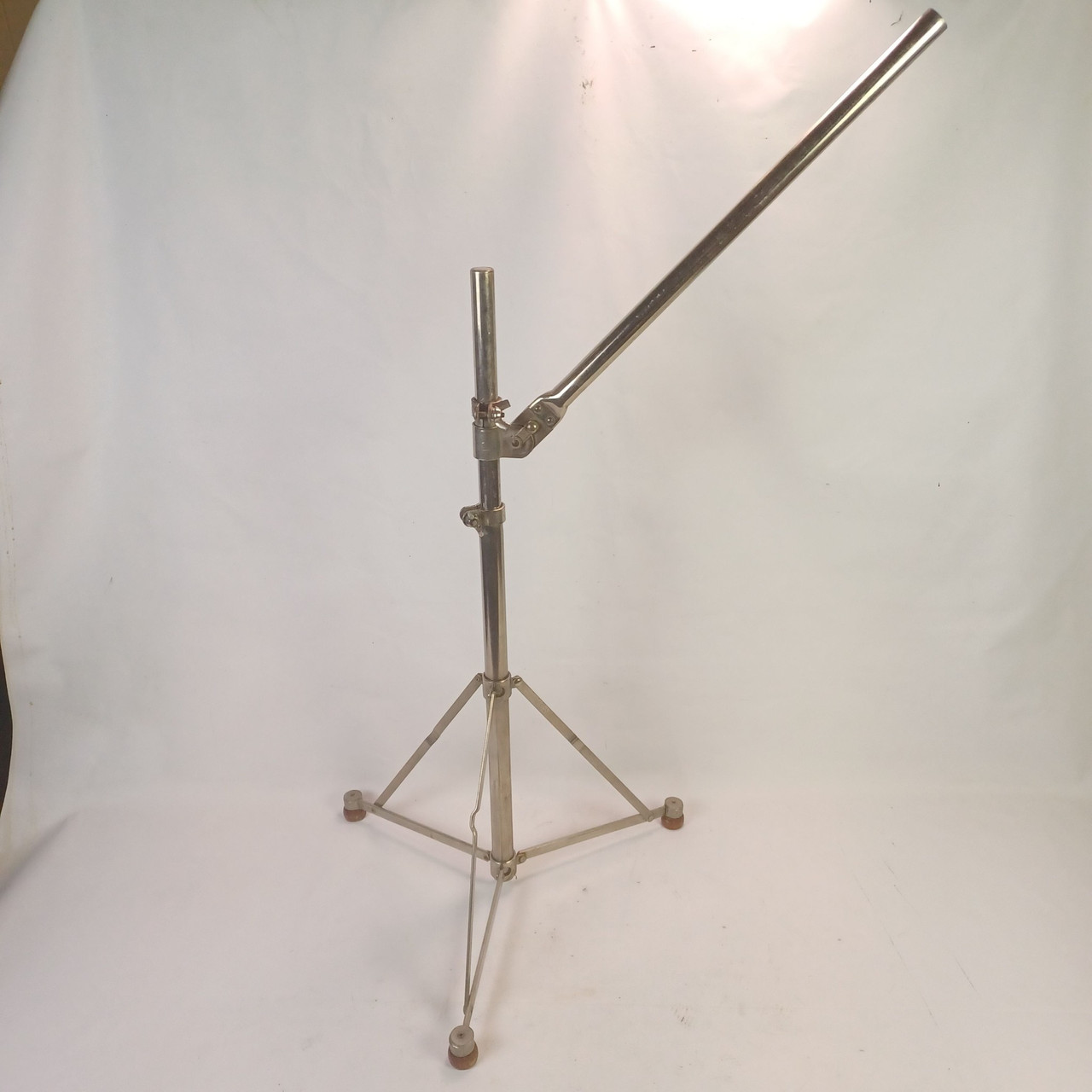
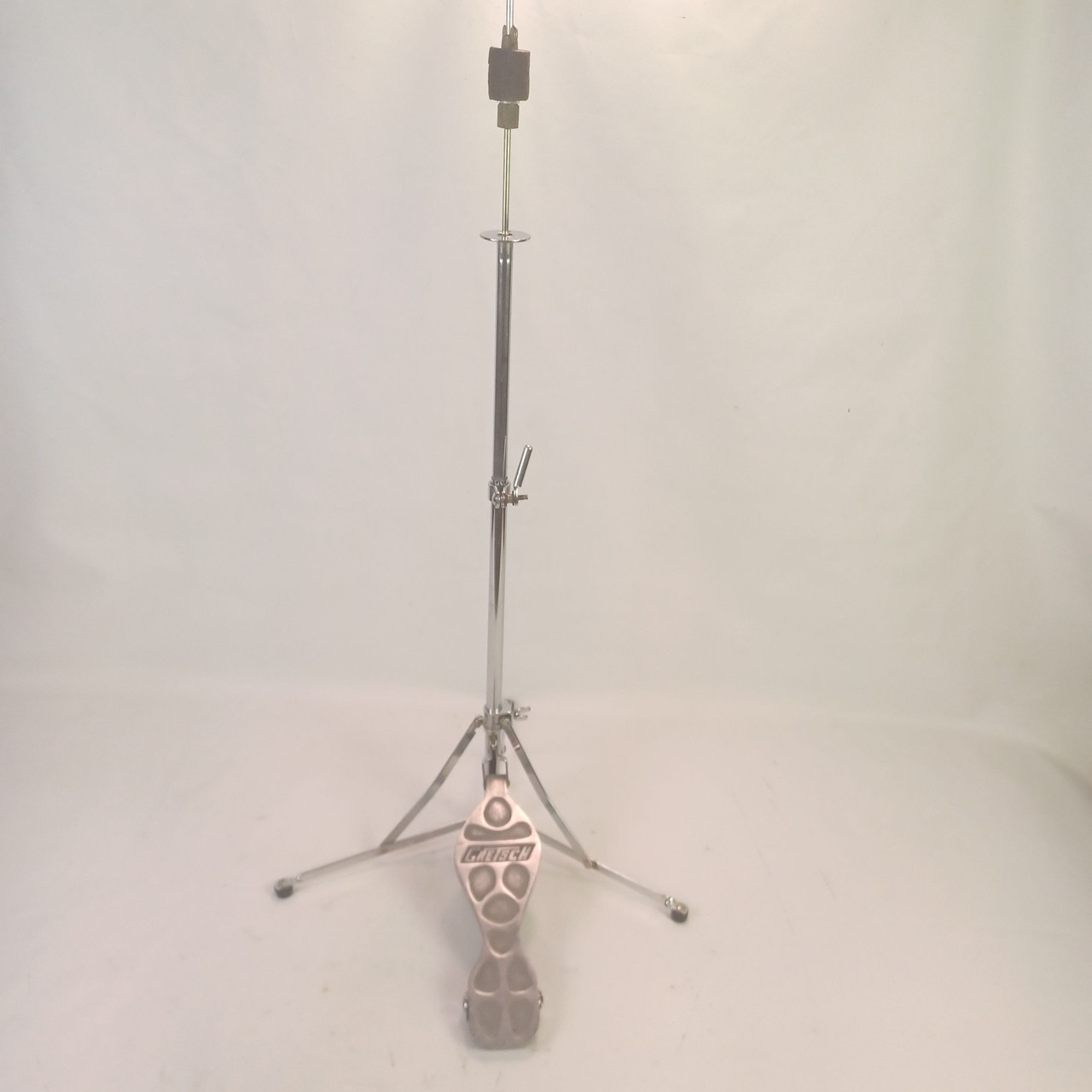
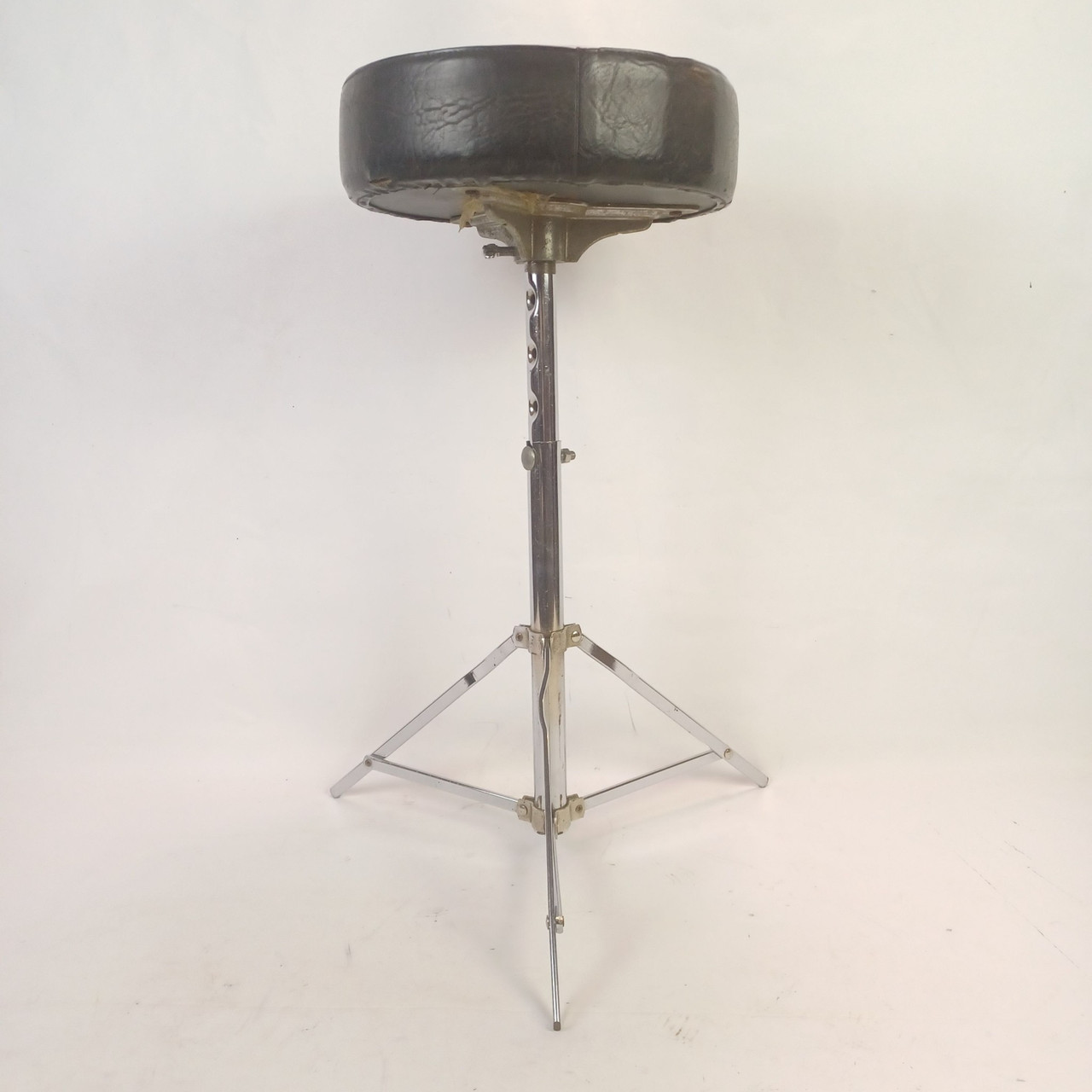
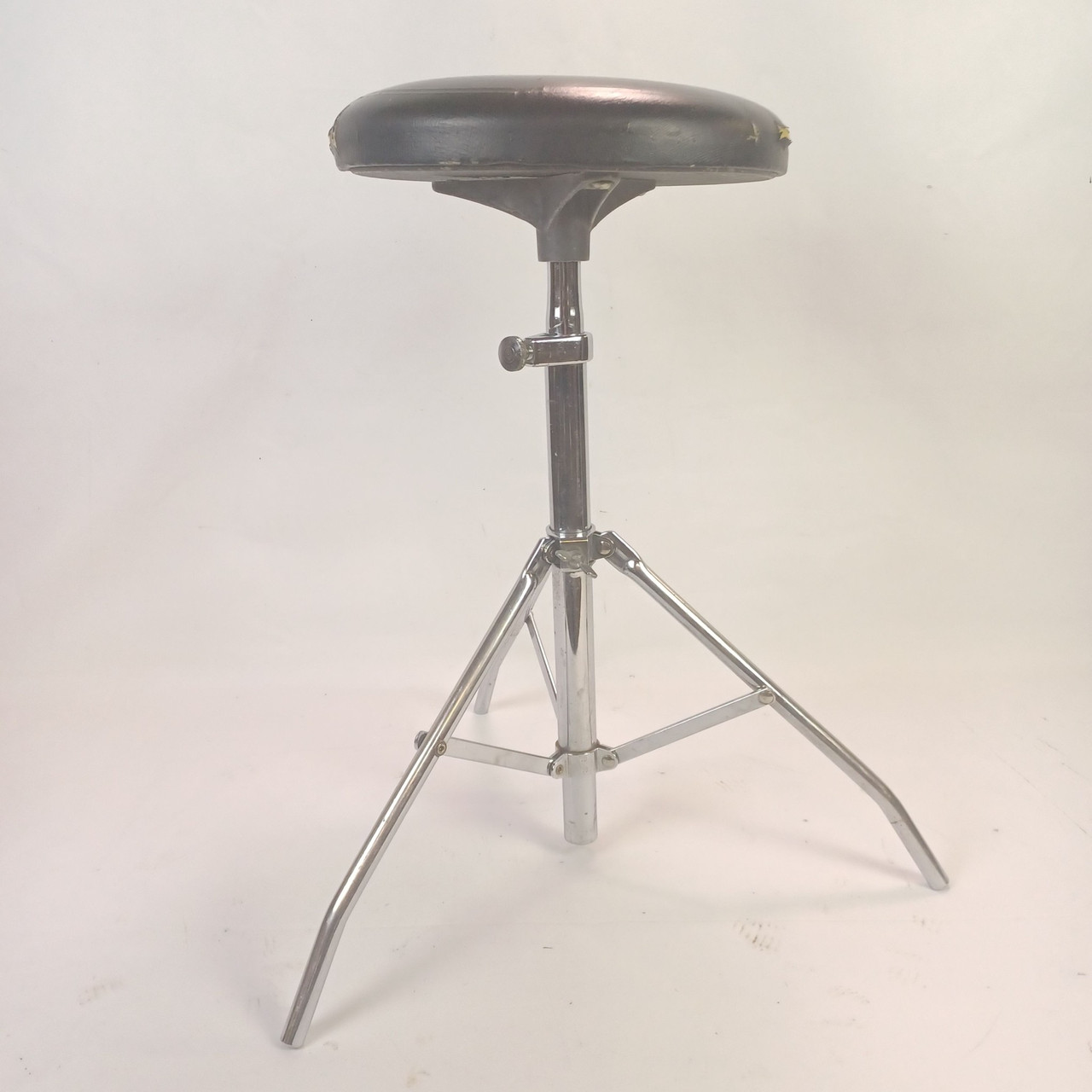
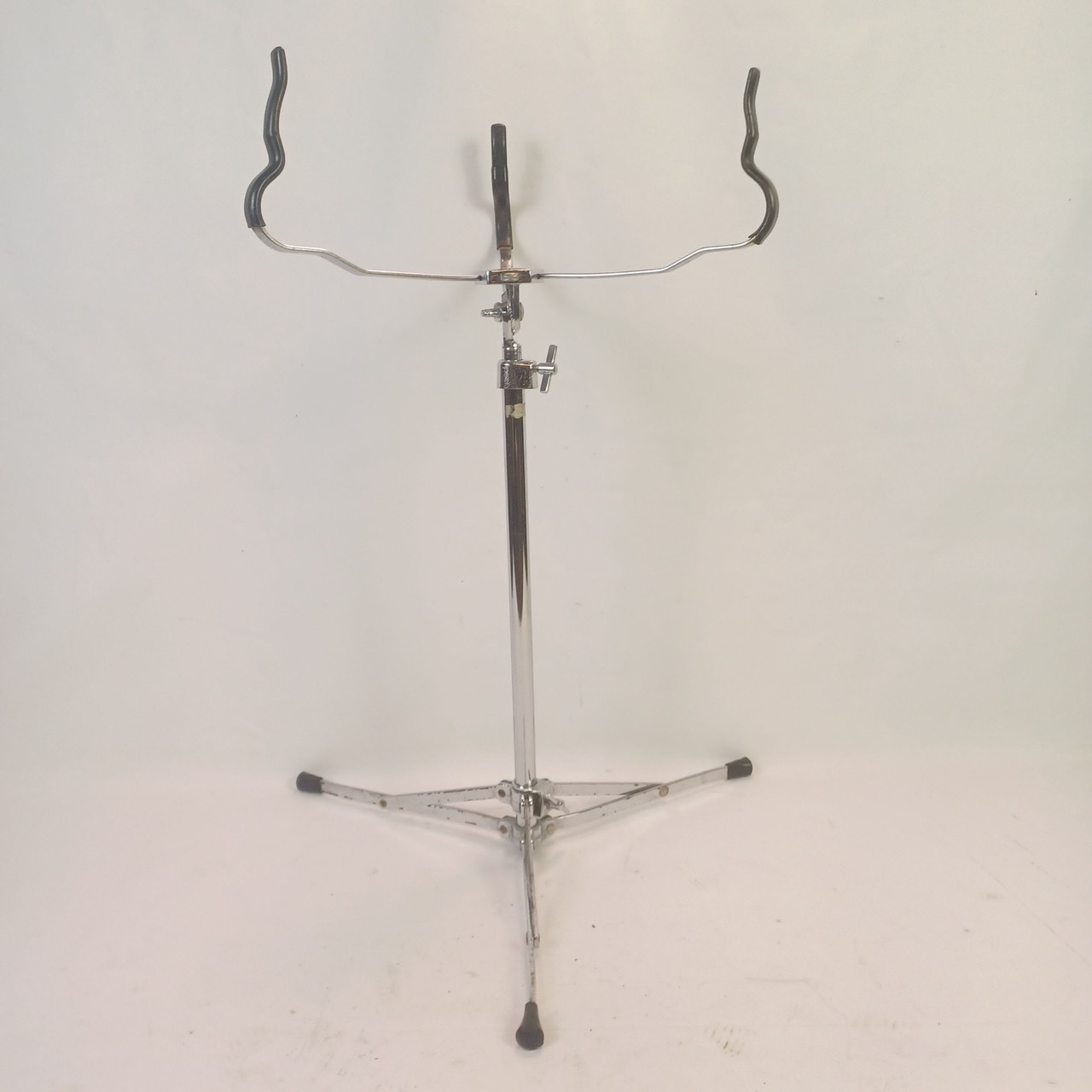
Seats and stands are the working half of a vintage outfit: thrones with straight tripod or four-leg bases, complete feet, working height locks and seats with solid spindle mounting — wobble at the spindle means a rebuild, priced accordingly. Cymbal boom stands add the arm, tilter and counterweight to the equation; flat-base and single-braced stands carry the period look from the rail-mount decades through the 70s studio years.
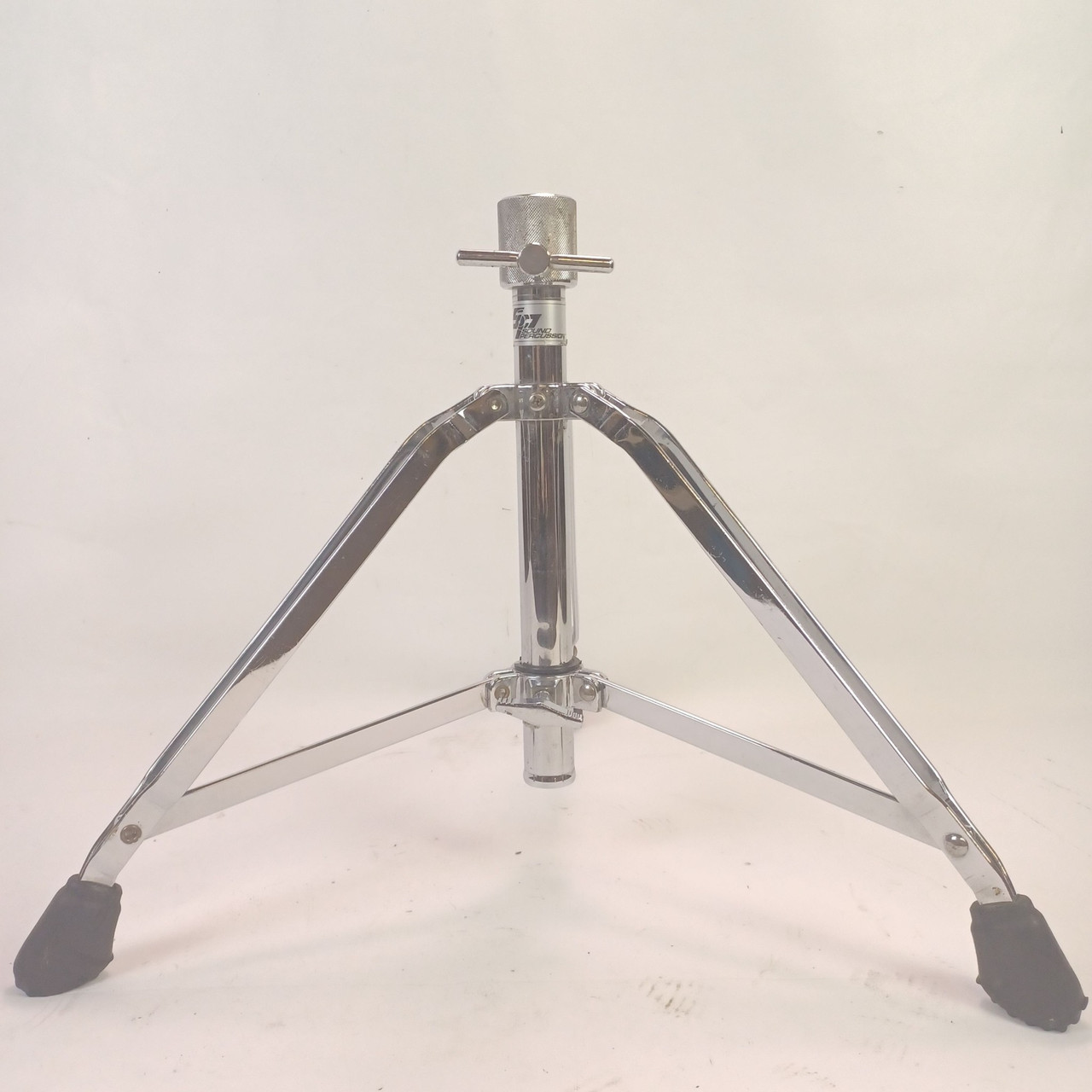
Fitment is weight class plus profile: boom arms need tilters that lock under the cymbal's weight, counterweights that actually counter, and tripod legs that hold without creep. Flat-base stands suit rehearsal and studio duty; double-braced bases take the road. Thrones need height locks that hold under weight — lightweight single-braced tripods wobble for heavy players, four-leg bases do not. Check every gear and clutch for stripped threads before trusting it on the gig.
The tables below are measured from our own seat-and-stand pool — thrones, boom stands and flat-base hardware counted apart, live and from the archive, with era bands across the whole pool — so you can see exactly what the evidence rests on. When the stand decides the purchase, ask us: we check posts, tilters and locks against the hardware in hand.
Seat-and-stand specimens by era
Flat-base rail-mount decades into the double-braced studio years.
| Era | In stock | Archived |
|---|---|---|
| 1950s | 7 in stock | 28 archived |
| 1960s | 3 in stock | 47 archived |
| 1970s | 0 in stock | 22 archived |
| 1980s | 1 in stock | 13 archived |
| 1990s+ | 1 in stock | 4 archived |
| Undated | 5 in stock | 71 archived |
Subtypes in stock now
| Subtype | In stock | Archived |
|---|---|---|
| Thrones | 5 in stock | 34 archived |
| Boom stands & arms | 3 in stock | 69 archived |
| Flat-base stands | 9 in stock | 83 archived |
Seat-and-stand calls at a glance
| Piece | Covers | Fit note |
|---|---|---|
| Throne | Tripod and four-leg seats | Lock holds under weight; spindle without wobble |
| Boom stand | Arm, tilter, counterweight | Tilter locks under the cymbal's weight |
| Flat-base stand | Single-braced period legs | Studio and rehearsal duty; road wants double-braced |
Deep dives: stands & cases guide · musical-goods guide · interactive fitment lookup.
Matching pieces in stock now
In stock as of 2026-11-19. One-of-a-kind stock sells and the list below is a build-time snapshot — if a piece is gone, its page says so and the archive keeps its record.
In stock now
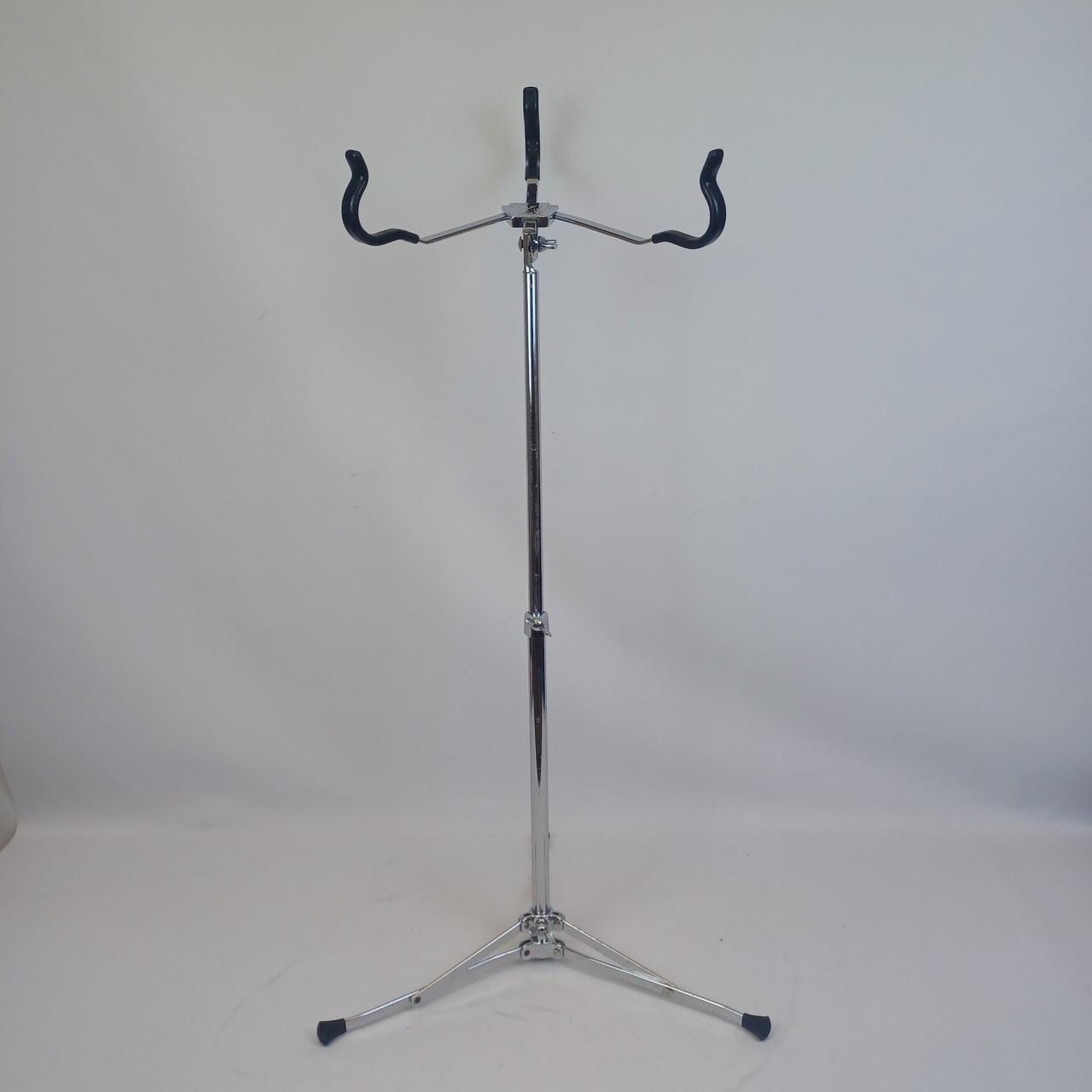
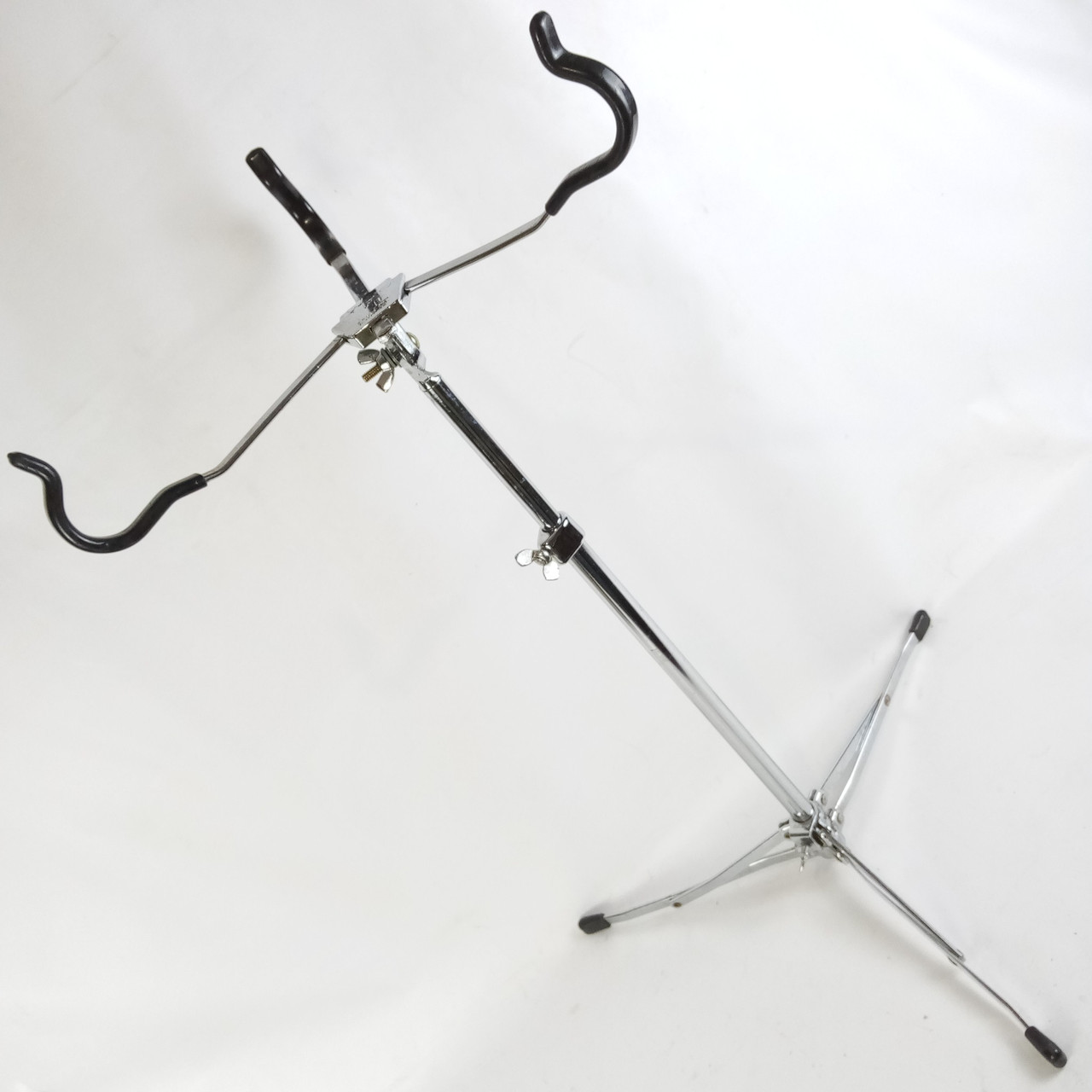
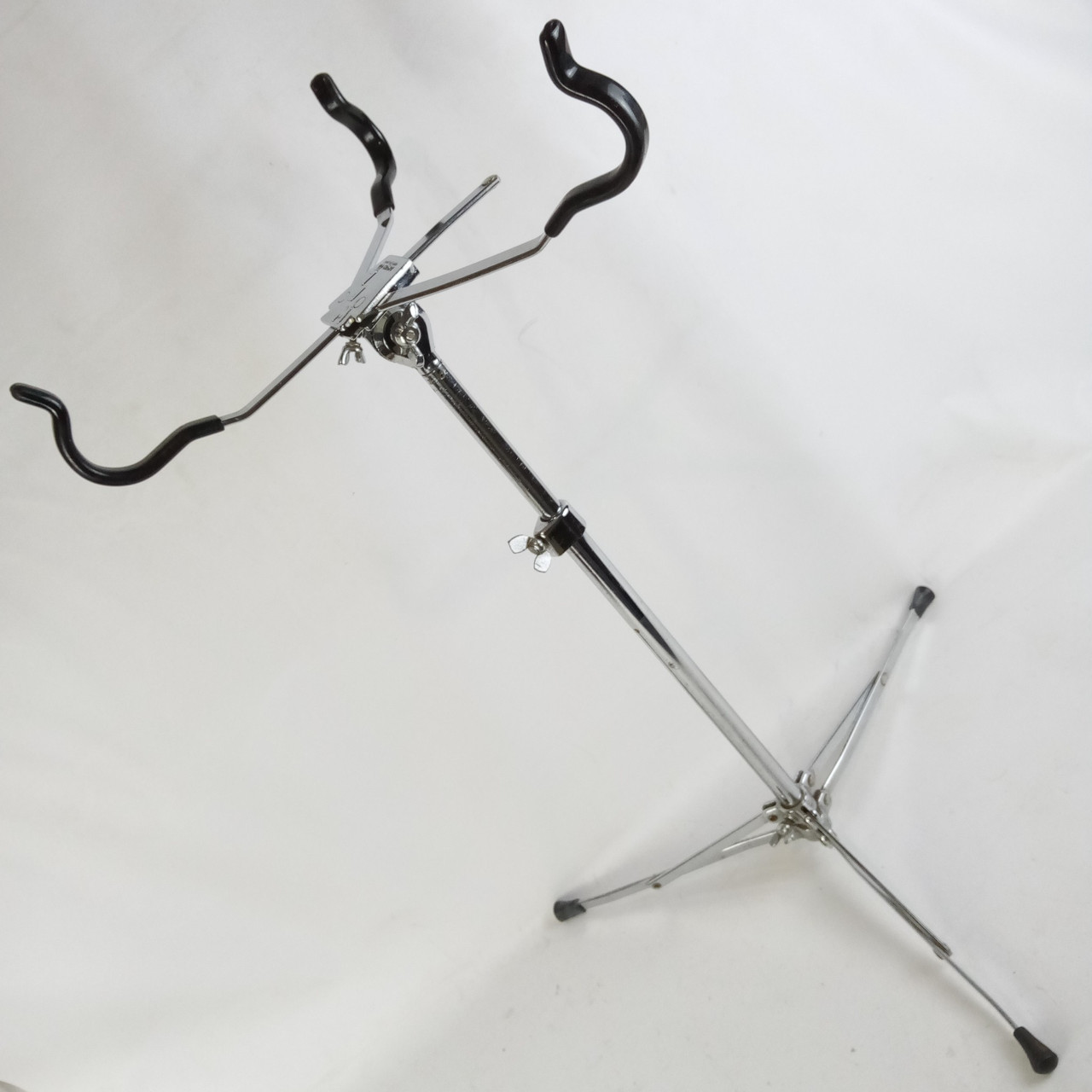
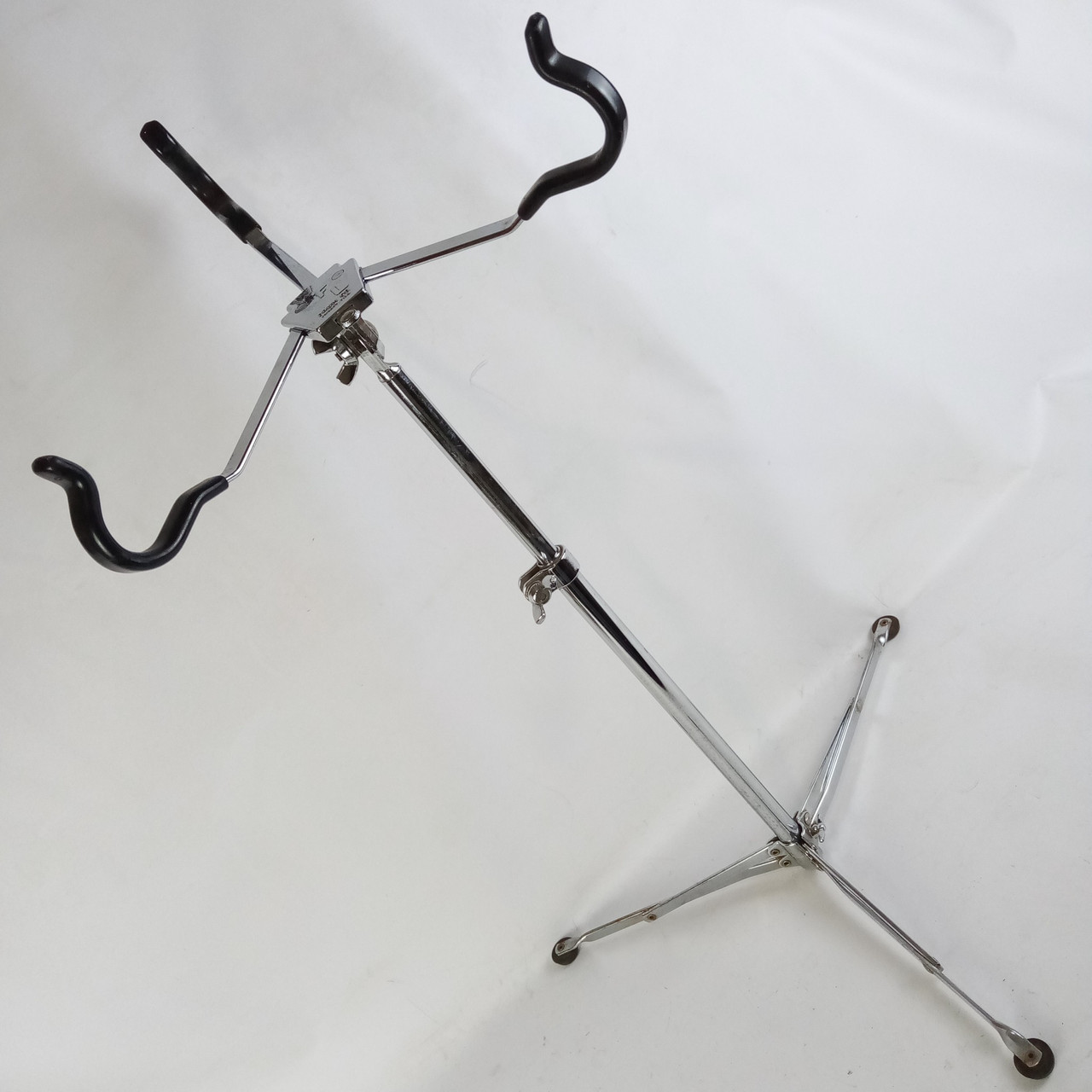
Frequently asked questions
What should I check on a used throne?
Base straightness, complete feet, a height lock that holds under weight, and a seat with solid spindle mounting. Wobble or a slipping lock means a rebuild — priced as one, never as a gig-ready seat.
Boom or straight stand — which should I want?
For positioning over a kit, a boom with a locking tilter and counterweight; for tight setups and the period look, straight flat-base stands. Match the stand to the cymbal's weight — an under-rated stand creeps mid-set.
Flat-base versus double-braced — does it matter?
For the period look and studio duty, flat-base single-braced; for the road, double-braced. Both hold honest cymbals when the tilter locks — buy the lock's condition, not the leg count.
Will this boom arm hold my ride?
Only when the tilter locks, the counterweight matches the arm length, and the tripod holds without creep. Check gear teeth for wear and clutch felts for compression — a tired tilter drops the cymbal it was meant to protect.